
 Home
Home About Us
 Services
 Website Development Services
 PHP Website Development Services
 CakePHP Website Development Services
 Laravel Website Development
 Winery Website Development Services
 Jewellery Website Development Services
 Automotive Website Design Services
 Real Estate Website Design
 Hospital Management Software
 CMS Devlopment Services
 Wordpress Website Development
 Drupal Website Development
 Joomla Website Development
 Webflow Development Services
 Hubspot Development Service
 Framer Website Development Services
 WIX Development Services
 Squarespace Development Services
 AngularJS Website Development
 ReactJS Development Services
 Mobile App Development
 IOS Apps Developmnet
 Native Apps Developmnet
 Cross Platform App Development
 Flutter App Development
 Windows App Developmnet
 Phonegap Apps Developmnet
 Ionic Apps Developmnet
 Xamarin Apps Developmnet
 Progressive Apps Developmnet
 Ecommerce Services
 Shopify Development Services
 Bigcommerce Development Services
 Magento Development Service
 Prestashop Development Service
 Neto (Maropost) Commerce Development Service
 Opencart Development Services
 Woocommerce Development Services
 Shopify Plus Agency
 Shopify Cro Services
 Hyvä Development Services
 Digital Marketing Services
 Search Engine Optimization
 Social Media Marketing
 Paid Media Advertising
 Google Ads Services
 Pay Per Click Service
 SEO Services India
 Content Marketing Services
 Email Marketing Services
 SEO Pricing
 Web Design Services
 Website Design Services India
 Website Design Services USA Canada
 Website Design Services British Columbia
 Graphics Design Services
 Logo Design
 Figma To HTML5
 FAQ's
FAQ's CMS Development Services
 Hubspot Development Services
 Hire Remote Developers
 Technology
 Wearable App Development
 Javascript Services
 ReactJS Development Services
 VueJS Development Services
 Virtual Employee Services
 Case Studies
 Insights
 Contact Us


 Akriti Singh
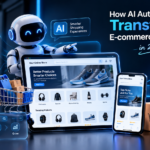
How AI Automation Is Transforming E-commerce Businesses in 2026
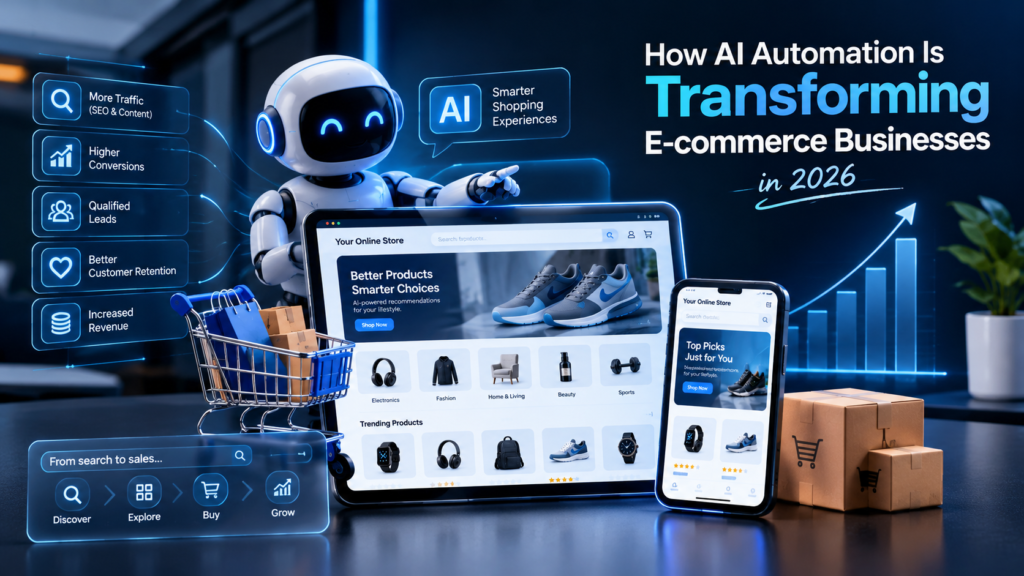
Imagine spending money on advertising every month, attracting visitors to your online store, and watching potential customers leave without buying anything. Your team answers the same questions repeatedly, abandoned carts keep growing, and follow-up emails go out too late—or never.
The problem may not be the quality of your products. It may be what happens between a customer’s first visit and the final purchase.
In 2026, running a successful online store requires more than attractive product pages and regular social media posts. Businesses need to understand customer intent, respond quickly, deliver relevant shopping experiences, and follow up at the right moment.
This is where AI automation for e-commerce becomes valuable.
By connecting customer data, marketing platforms, inventory systems, analytics, and sales workflows, businesses can reduce repetitive work and make better decisions throughout the buying journey. The result can be a more efficient store that attracts qualified visitors, converts more shoppers, and builds stronger customer relationships.
According to Salesforce’s 2025 Connected Shoppers Report, 39% of consumers were already using AI for product discovery, with adoption exceeding half among Gen Z. This signals a meaningful change in how shoppers discover and evaluate products.
For e-commerce businesses, the opportunity is clear: reach customers where they are searching, help them make confident buying decisions, and remove unnecessary obstacles between interest and purchase.
Why Traditional E-commerce Strategies Are Losing Their Effectiveness
Many online stores invest heavily in traffic generation but overlook what happens after visitors arrive.
A business might rank for valuable keywords, publish useful articles, and run paid campaigns, yet still struggle to generate consistent revenue. Visitors browse products without finding the right fit. Customers ask questions but receive delayed responses. Interested buyers abandon their carts, while previous customers receive the same promotions as everyone else.
These are not simply marketing problems. They are gaps in the complete e-commerce customer journey.
Consider a shopper looking for a particular product. They visit your store, compare two options, check delivery details, and leave because they cannot find a clear answer about compatibility. Without a useful follow-up or an effective product recommendation, that potential sale may disappear.
Now imagine the store can answer the compatibility question immediately, recommend the correct product, show accurate delivery information, and offer assistance before checkout.
That is the practical value of AI-powered e-commerce solutions: they help businesses respond to customer needs while reducing the manual effort required to manage every interaction.
The goal is not to automate everything. It is to identify the moments where delays, confusion, and repetitive tasks cost the business customers and revenue.
Is your online store attracting visitors but failing to convert them into paying customers? A review of your product pages, checkout journey, customer support, and follow-up process can reveal where sales opportunities are being lost.
1. AI Automation Helps E-commerce Businesses Attract More Relevant Traffic
Getting more visitors is not always the answer to low sales. Getting the right visitors is often more important.
An online store selling premium skincare, for example, needs visitors who are actively researching skincare products, comparing ingredients, or looking for solutions to a specific concern. Broad, untargeted traffic may increase page views without producing meaningful sales.
With AI-driven e-commerce marketing, businesses can analyze search trends, customer behavior, product interests, and campaign performance to make more informed marketing decisions.
Smarter keyword research and search intent
AI-assisted SEO tools can help identify related search terms, understand common customer questions, and group keywords according to buying intent.
For example, these searches represent different stages of the buying journey:
- Informational: How to choose the right running shoes
- Commercial: Best running shoes for long-distance runners
- Transactional: Buy lightweight running shoes online
A strong e-commerce SEO strategy addresses all three stages. Informational content attracts people researching a problem, commercial pages help shoppers compare solutions, and product or category pages target visitors closer to making a purchase.
AI can help organize this research, but search intent, keyword selection, content quality, and on-page optimization still require careful review.
Product pages that answer real customer questions
AI-assisted analysis can identify missing product details, recurring customer questions, and opportunities to improve descriptions.
A product page should explain more than what an item is. It should help buyers understand:
- Who the product is designed for.
- Which problem it solves.
- How it compares with alternatives.
- What specifications or compatibility details matter.
- Why the customer should trust the seller.
This approach supports SEO-optimized product descriptions, better user experiences, and more informed purchase decisions.
Content that attracts buyers instead of empty clicks
A blog post about a genuine customer problem can bring visitors into your website months after publication. When that article links naturally to relevant product pages, service pages, or buying guides, it also creates a path toward conversion.
For example, an article about reducing warehouse costs could introduce inventory automation, explain the benefits, and link to a relevant e-commerce solution.
The important point is to connect content with a useful next step.
Want to attract visitors who are more likely to become customers? A combination of search intent research, technical SEO, useful content, and relevant internal links can help your store reach shoppers at different stages of the buying process.
2. Turn More Visitors Into Customers With AI-Powered Personalization
Two people can visit the same online store with completely different needs.
One customer may be buying a product for the first time. Another may be comparing premium alternatives. A returning customer may want a replacement for an item purchased three months ago.
Showing all three shoppers the same products and offers ignores valuable differences in their behavior.
AI-powered personalization helps businesses use relevant signals—such as browsing activity, previous purchases, product preferences, and available customer data—to provide more useful shopping experiences.
Relevant recommendations can shorten the buying journey
Imagine a customer browsing a furniture store for a compact desk. Instead of displaying unrelated bestsellers, the store recommends desks suited to small rooms, matching chairs, and accessories that fit the selected product.
The customer spends less time searching and has a clearer idea of what to buy.
Depending on the implementation, recommendation systems can support:
- Related products and complementary accessories.
- Recently viewed products.
- Personalized product collections.
- Relevant offers for returning customers.
- Recommendations based on purchase history.
These features can improve product discovery and create opportunities for higher average order values. However, actual results depend on product relevance, customer demand, margins, and how the recommendations are implemented.
Personalization should solve a problem, not feel intrusive
Customers want relevant suggestions, but they also want control over their information.
Businesses should use appropriate consent, protect customer data, and avoid recommendations that feel invasive or rely on inaccurate assumptions.
Good personalization makes shopping easier. Poor personalization can damage trust.
For online stores looking to improve their customer experience, AI e-commerce development should focus on useful recommendations, accurate product information, and a seamless path to checkout—not personalization for its own sake.
3. Recover Abandoned Carts Before Interested Buyers Disappear
Cart abandonment is one of the most frustrating challenges in e-commerce.
A customer has selected products, reviewed the options, and shown clear buying interest. Yet the purchase remains incomplete.
The reason could be unexpected shipping charges, a complicated checkout process, payment difficulties, delivery uncertainty, or simply a distraction.
No single automation can recover every abandoned cart. But a well-designed recovery process can help businesses reconnect with interested shoppers.
How automated cart recovery works
An AI sales automation workflow can combine customer behavior, consent status, and predefined business rules to determine when a follow-up is appropriate.
A typical process might look like this:
- A shopper adds products to the cart but does not complete the purchase.
- The system records the relevant event in accordance with the store’s privacy settings.
- An automated email or permitted messaging reminder is sent at an appropriate time.
- The message links directly to the saved cart.
- If the customer purchases, the remaining recovery messages stop.
AI can help personalize message content or determine which products and information may be most relevant. The workflow itself can often be handled through standard e-commerce automation tools.
A practical abandoned-cart message
Instead of sending a generic discount to every customer, consider a message that addresses the reason for hesitation:
Still deciding? Your selected items are waiting in your cart. Review the product details, check delivery information, and complete your order whenever you’re ready.
For customers who need additional reassurance, the store could highlight its genuine return policy, verified reviews, delivery estimates, or customer support options.
Discounts should be used strategically rather than offered automatically to everyone. Otherwise, customers may learn to abandon carts intentionally to receive a lower price.
Losing sales after customers add products to their carts? Reviewing your checkout experience and setting up a measurable cart-recovery workflow can help you understand where customers drop off and which follow-ups actually lead to purchases.
4. Use AI Chatbots to Answer Questions and Capture Qualified Leads
A potential customer may arrive at your store outside business hours with a simple question: Does this product work with my existing equipment? Is delivery available in my area? Which subscription plan fits my needs?
If the answer is difficult to find, the customer may leave and choose a competitor.
AI chatbots for online stores can provide immediate assistance with common questions, product discovery, order information, and guided shopping. When connected to accurate product data and approved business information, they can also help customers move closer to a purchase.
From customer support to lead generation
A well-designed chatbot can do more than answer questions. It can help identify visitors who are interested in a particular product or service.
For example, a shopper looking for bulk office supplies might be asked about product requirements, estimated order quantity, and business needs. With appropriate consent, the system can collect contact information and route the inquiry to the sales team.
The process may include:
- Answering product and service questions.
- Recommending suitable products.
- Collecting qualified business inquiries.
- Directing complex questions to human support.
- Connecting inquiries to a CRM.
- Scheduling a consultation or product demonstration.
This creates a more organized automated lead generation process without requiring a salesperson to handle every initial interaction manually.
What makes a chatbot trustworthy?
A chatbot should clearly communicate what it can help with. It should not invent product specifications, promise unavailable discounts, or provide incorrect delivery information.
It also needs a reliable handoff to a human when the question is complex or the customer requests personal assistance.
The best implementation connects the chatbot to current product information, relevant store policies, and an appropriate escalation process.
Looking to convert more website visitors into qualified leads? An AI-assisted chatbot connected to your products, CRM, and sales workflow can help capture inquiries and route them to the right team.
5. Automate Follow-Ups to Turn First-Time Buyers Into Repeat Customers
Acquiring a customer is only one part of running a profitable e-commerce business. The next challenge is giving that customer a reason to return.
Many stores send a generic promotional email to their entire contact list. This approach can produce irrelevant offers, increase unsubscribes, and miss opportunities to build lasting customer relationships.
With e-commerce marketing automation, businesses can create follow-up journeys based on relevant customer actions and preferences.
For example, a customer who purchases a coffee machine may benefit from a setup guide shortly after delivery, maintenance information later, and a reminder about compatible filters when appropriate.
A customer purchasing clothing might receive care instructions, complementary product suggestions, or updates about a relevant new collection.
The timing and content should depend on the product, the customer’s preferences, and the actual buying cycle.
Practical customer-retention workflows
| Customer action | Possible automated response |
|---|---|
| First purchase | Helpful welcome and order guidance |
| Product delivered | Setup instructions or care tips |
| Repeat purchase due | Relevant replenishment reminder |
| Interest in a product category | Useful content and related recommendations |
| Inactive customer | A relevant re-engagement message |
| Positive customer feedback | Invitation to leave an honest review |
These workflows can be implemented through email marketing platforms, CRM integrations, and e-commerce automation tools. AI can assist with customer segmentation and content personalization, while clear rules control when messages are sent.
Businesses should also respect marketing consent, unsubscribe requests, and customer communication preferences.
The commercial benefit is straightforward: customer retention strategies give existing buyers useful reasons to engage again instead of relying entirely on expensive new-customer acquisition.
6. Improve Inventory Decisions and Protect Profit Margins
Marketing may bring customers to a store, but poor inventory management can still cost the business a sale.
A popular product goes out of stock. A slow-moving product occupies warehouse space. A seasonal item is reordered too late. Meanwhile, the team spends hours reviewing spreadsheets and reconciling information from different systems.
These issues affect cash flow, customer satisfaction, and profitability.
AI inventory management can help businesses analyze historical sales, seasonal patterns, current stock, supplier lead times, and other relevant information to improve demand forecasts.
What can inventory automation do?
Depending on the available data and system integrations, businesses can use AI-assisted forecasting to:
- Identify products that may run out of stock.
- Highlight slow-moving inventory.
- Estimate demand around seasonal events.
- Suggest replenishment quantities for human review.
- Flag unusual changes in sales patterns.
- Coordinate inventory information across sales channels.
For example, a store selling outdoor products may notice that demand for a particular category rises before a seasonal holiday. A forecasting system can use previous sales and current trends to help the purchasing team prepare earlier.
Forecasts are not guarantees. Sudden changes in demand, supplier delays, inaccurate stock records, and unexpected market conditions can affect their reliability. Businesses should establish sensible approval rules before allowing automated purchasing decisions.
Connect inventory to the customer experience
Inventory information should also be accurate on product pages. If a customer sees an item marked as available but learns during checkout that it is out of stock, confidence in the store suffers.
Connecting inventory management with the e-commerce platform can improve stock visibility, reduce avoidable order cancellations, and support more dependable delivery information.
Want fewer stock surprises and better inventory visibility? Start by reviewing how your store tracks products, forecasts demand, and shares stock information across sales channels.
7. Make E-commerce SEO and AI Search Work Together
Search behavior is changing. Customers still use traditional search engines, but many are also turning to AI assistants to research products, compare alternatives, and understand which solution fits their needs.
Salesforce reported in September 2026 that the use of agentic search as the first step in shopping journeys had grown 200% year over year, based on its State of Commerce research. Its report draws on surveys of commerce professionals and consumers alongside behavioral data from more than 1.5 billion global shoppers.
Salesforce
This makes discoverability an important consideration for e-commerce businesses.
However, using AI in content production does not automatically improve search rankings. Search visibility still depends on factors such as content usefulness, technical accessibility, relevance, site performance, and the overall quality of the website.
Build content around real buying questions
A useful e-commerce SEO strategy should answer the questions customers ask before purchasing.
For example, a store selling office furniture could publish content covering:
- How to choose an ergonomic office chair.
- What desk dimensions work best in a small office.
- Which materials are easiest to maintain.
- How to compare office chairs by price and features.
- What to check before buying furniture for a commercial workspace.
Each article should provide genuine answers and link naturally to the relevant category, product, or buying guide.
This structure serves informational and commercial search intent without forcing every page to sell immediately.
Improve product and category page relevance
Search engines and AI-powered discovery tools need clear, consistent information to understand what a business offers.
Businesses should pay attention to:
- Descriptive page titles and meta descriptions.
- Clear product names and specifications.
- Helpful category descriptions.
- Relevant internal links.
- Accurate product availability and pricing.
- Appropriate structured data.
- Mobile usability and page speed.
- Original content that answers customer questions.
These improvements also help shoppers evaluate products with greater confidence.
Don’t confuse publishing volume with SEO success
Publishing dozens of low-value articles will not necessarily bring qualified traffic or generate leads. A smaller collection of well-researched pages that satisfy specific search intent may be more useful than a large library of repetitive content.
The right approach is to identify opportunities, publish genuinely helpful content, measure results, and improve pages using real search and conversion data.
Need stronger organic visibility for your online store? Combining technical SEO, search-intent research, content optimization, and conversion-focused landing pages can help build a more effective path from search discovery to purchase.
8. Connect AI Automation With Your Existing E-commerce Platform
AI tools produce limited business value when they operate separately from the systems your team already uses.
A chatbot that cannot access accurate product information creates frustration. A marketing workflow that does not recognize completed purchases sends irrelevant reminders. An inventory tool that receives outdated stock data can produce misleading forecasts.
The solution is to connect automation with the systems that manage the actual customer journey.
For many businesses, this means integrating their e-commerce platform with customer relationship management software, inventory tools, marketing systems, analytics, and customer support.
Examples of platform-specific automation
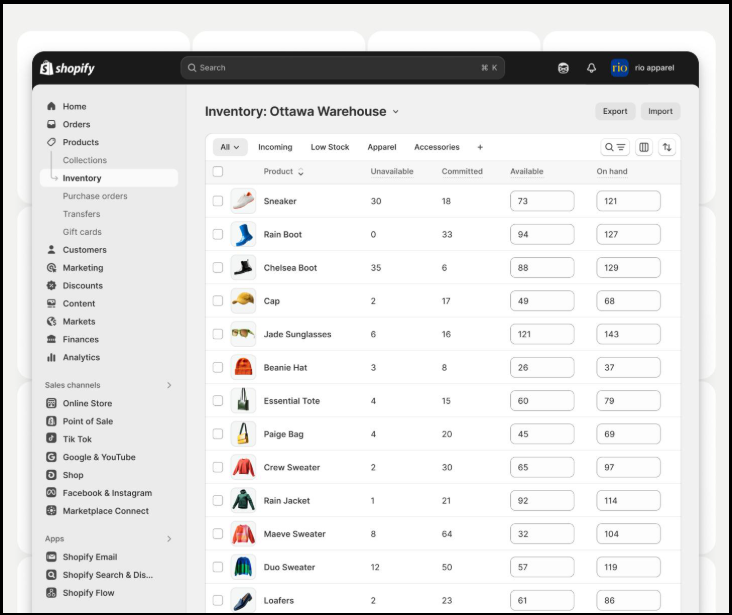
Shopify AI automation
Shopify stores can benefit from automated cart recovery, customer segmentation, product recommendations, inventory alerts, and CRM integrations Shopify development services . The exact capabilities depend on the store’s plan, apps, and integrations.
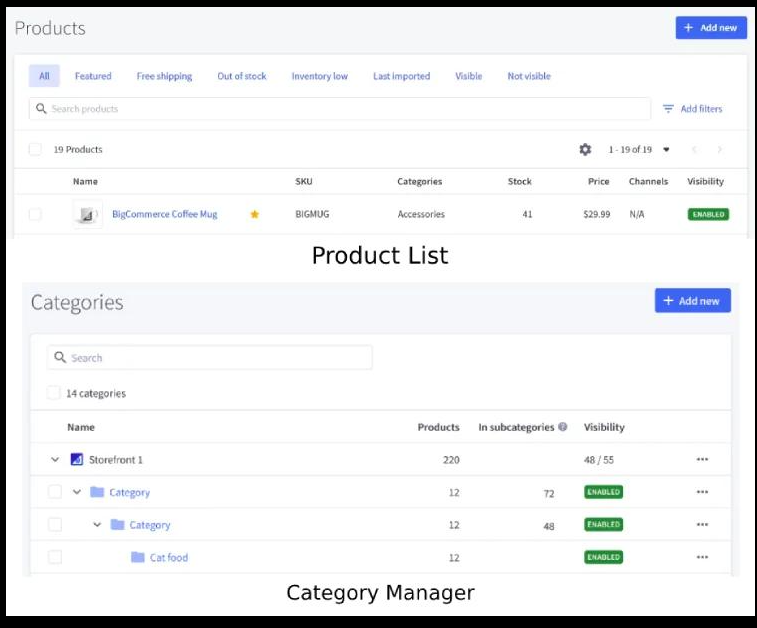
BigCommerce development and automation
Businesses can connect store data with marketing, inventory, and customer management systems to reduce manual work and create a more consistent buying experience.
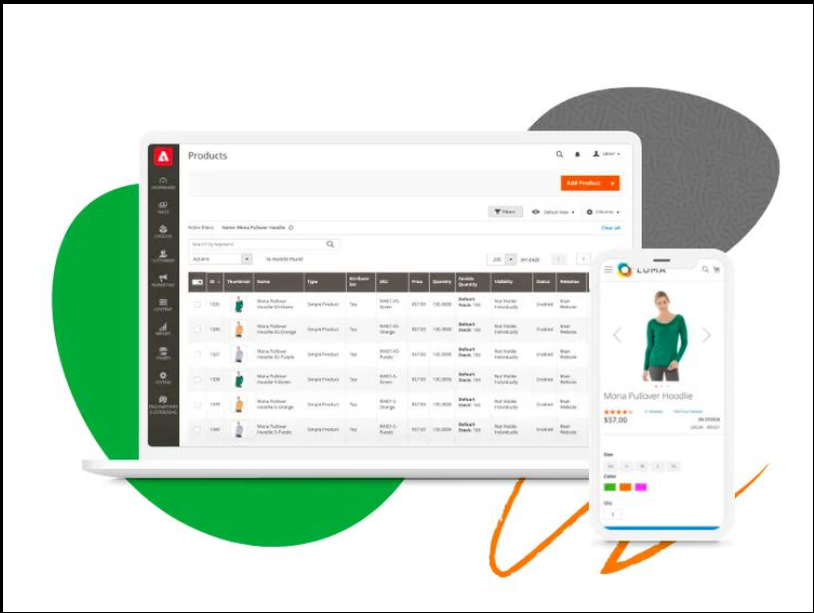
Magento and Adobe Commerce
Larger or more complex stores may benefit from tailored integrations for catalog management, order workflows, customer service, reporting, and inventory coordination Magento development services .
Why custom integration may matter
Off-the-shelf applications can be a good starting point. But businesses with complex catalogs, multiple sales channels, custom pricing, or existing enterprise software may need more tailored e-commerce development services.
A proper implementation should define which system owns each piece of data, how information is synchronized, what happens when an integration fails, and which actions require human approval.
Security, access controls, data privacy, monitoring, and ongoing maintenance should be part of the project from the beginning.
Planning to introduce AI into an existing Shopify, BigCommerce, or Magento store? Review your current platform, business processes, and integration requirements before choosing tools. The right technical setup should solve a measurable business problem rather than add unnecessary complexity.
9. Use AI Analytics to Understand What Actually Generates Revenue
Traffic reports can make a website look successful even when the business is struggling to turn visitors into customers.
A page may attract thousands of visits but generate few inquiries. An advertising campaign may produce a large number of clicks while delivering poor margins. A discount campaign may increase sales volume but reduce profit.
To make better decisions, businesses need to connect website activity with meaningful commercial outcomes.
AI-powered e-commerce analytics can help identify patterns in customer behavior, marketing performance, product demand, and sales activity. Depending on the available data, these systems can highlight unusual trends and help teams decide where further investigation is needed.
Measure the metrics that matter
| Business objective | Metrics to monitor |
|---|---|
| Attract relevant visitors | Organic sessions, qualified landing-page traffic |
| Improve product discovery | Product views, category engagement |
| Increase sales | Conversion rate, completed orders |
| Recover lost opportunities | Cart recovery rate, recovered revenue |
| Generate leads | Qualified inquiries, lead-to-sale rate |
| Improve profitability | Gross margin, contribution margin, acquisition cost |
| Retain customers | Repeat purchase rate, customer lifetime value |
AI can assist with analysis, but the quality of its recommendations depends on accurate tracking and reliable data.
For example, if conversion tracking fails to record completed orders, a marketing system may incorrectly conclude that a campaign is underperforming. Before introducing advanced analytics, businesses should verify their tracking setup and establish clear definitions for each metric.
Connect marketing activity with commercial outcomes
Suppose an article attracts 1,000 visitors, but only a small number click through to relevant products. Another article attracts fewer visitors but produces more qualified inquiries and purchases.
The second article may offer greater commercial value, even though its traffic is lower.
That is why revenue-focused SEO should consider not only rankings and clicks but also the quality of traffic, engagement with relevant pages, and the business results that follow.
The objective is not simply to report more activity. It is to understand which activities contribute to profitable growth.
10. Build Trust Before Asking Customers to Buy
Automation can make shopping faster, but speed alone does not persuade a customer to trust an unfamiliar business.
Automotive Superstore Magento case study
Before purchasing, shoppers may want to know whether a product will work for them, whether the seller is legitimate, how returns are handled, and what happens if something goes wrong.
If your website leaves these questions unanswered, even interested customers may hesitate.
A trustworthy e-commerce website should make important information easy to find.
Trust signals that support purchase decisions
- Genuine customer reviews and testimonials.
- Clear shipping, returns, and refund policies.
- Accurate product images and specifications.
- Secure checkout and appropriate payment options.
- Accessible customer support.
- Transparent pricing without unexpected fees.
- Real business contact information.
- Verifiable case studies and customer outcomes.
AI can help route support requests, summarize customer feedback, and identify recurring complaints. It should not generate fake reviews, invent customer success stories, or make unsupported promises.
Use proof that customers can verify
If a business has documented project results, those results can strengthen its sales message.
For example, IOGOOS Solution’s Automotive Superstore project has been described with reported outcomes including 42% revenue growth, 48% conversion rate, and 15% higher average order value. These figures should be published with their proper context and supporting project evidence so readers can understand what was measured and over what period.
Verified project evidence is more persuasive than vague claims about delivering exceptional results.
Choosing an e-commerce development partner? Look for relevant experience, a clear implementation process, measurable project outcomes, and an understanding of your commercial objectives.
11. How to Implement AI Automation Without Wasting Your Budget
The most effective AI projects usually begin with a clearly defined problem, not a long list of tools.
A business may not need a complex AI agent to solve an abandoned-cart problem. A reliable email workflow may be enough. Another business may need custom integration because its inventory, order management, and customer data are spread across several systems.
The right solution depends on the size of the problem, the available data, and the expected commercial return.
Step 1: Identify where revenue opportunities are being lost
Review the customer journey from the first website visit to the completed purchase.
Look for recurring problems such as slow responses, poor product discovery, incomplete product information, checkout friction, and missed follow-ups.
Choose one or two problems that can be measured before implementation.
Step 2: Establish a baseline
Record current performance before changing the process.
For example, document the existing cart recovery rate, average response time, conversion rate, or number of qualified leads generated each month.
Without a baseline, it is difficult to determine whether automation has made a meaningful difference.
Step 3: Choose the simplest suitable solution
Consider whether an existing platform feature, a third-party application, a workflow automation tool, or a custom integration can address the problem.
Evaluate costs, compatibility, data access, maintenance requirements, and security—not just the advertised features.
Step 4: Test with real business scenarios
Before launching an automated workflow, test successful purchases, failed payments, out-of-stock products, customer opt-outs, duplicate messages, and integration errors.
A workflow that works in a demonstration may behave differently when it encounters real customer data.
Step 5: Measure results and improve
Compare performance against the baseline. Check whether the workflow improves customer experience, reduces manual effort, generates qualified leads, or contributes to additional revenue.
Keep human oversight where decisions involve refunds, sensitive customer information, substantial purchases, or other situations requiring judgment.
This practical approach helps businesses invest in AI automation services with a clear understanding of the problem being solved and the value they expect to receive.
What Results Can E-commerce Businesses Realistically Expect From AI Automation?
AI automation can support revenue growth, but it does not guarantee higher rankings, more sales, or a specific return on investment.
The results depend on the existing website, the quality of traffic, product-market fit, pricing, customer experience, implementation quality, and how well the automation supports the buying journey.
A store with accurate inventory, useful content, competitive products, and a smooth checkout may be better positioned to benefit than a store with fundamental technical or operational problems.
Businesses should also account for implementation costs, subscriptions, integration work, training, maintenance, and the possibility that an experiment will not deliver the expected result.
A sensible evaluation compares the cost of a solution with its measurable business impact. For example, a company might track recovered gross profit rather than recovered sales alone, because discounts, shipping, and product costs affect the actual financial outcome.
The same principle applies to lead generation. More inquiries do not necessarily mean more revenue if those inquiries are poorly qualified or never followed up.
The strongest AI strategy is one that connects automation to a specific business objective and measures whether that objective is being achieved.
Why Choose IOGOOS Solution for E-commerce Development and Automation ?
Implementing AI in an online store requires more than connecting a chatbot or installing another marketing application. The underlying website, data, integrations, and customer journey must work together.
IOGOOS Solution provides e-commerce development expertise that can help businesses improve their digital storefronts and evaluate opportunities for better automation.
Depending on project requirements, a tailored engagement may involve:
- E-commerce website development for Shopify, BigCommerce, Magento, and other suitable platforms.
- AI automation integration for repetitive business workflows.
- E-commerce SEO services to improve technical foundations, content relevance, and organic discoverability.
- Conversion rate optimization to identify friction in product discovery and checkout.
- CRM and marketing integrations to organize customer inquiries and follow-up workflows.
- Performance and responsive design improvements to support a smoother shopping experience across devices.
The starting point should always be your business requirements. Some stores need better product pages and technical SEO before introducing AI. Others may benefit from integrating customer support, lead management, or inventory workflows.
A clear assessment helps identify the priorities, required integrations, potential risks, and measurable outcomes before development begins.
Let’s identify the opportunities in your online store
If your website attracts visitors but struggles to generate qualified leads or completed purchases, the next step is to examine the customer journey and identify the obstacles that matter most.
IOGOOS Solution can help you explore suitable e-commerce development services, SEO improvements, and automation opportunities based on your existing platform and business goals.
Frequently Asked Questions About AI Automation for E-commerce
AI automation for e-commerce combines artificial intelligence with automated workflows to improve activities such as product recommendations, customer support, marketing, inventory forecasting, and sales analysis. The exact capabilities depend on the tools, integrations, and data available.
It can help businesses identify customer needs, respond more quickly, improve product discovery, and follow up with interested shoppers. However, increased sales are not guaranteed. Results depend on the website, products, pricing, customer experience, and implementation quality.
AI can assist with keyword research, search-intent analysis, content planning, product-description improvements, and performance analysis. Businesses still need useful original content, sound technical SEO, relevant internal linking, and ongoing quality checks.
Yes. Smaller stores can begin with relatively straightforward workflows, such as automated order notifications, permitted cart-recovery emails, product recommendations, and customer support responses. They can add more advanced integrations as business needs justify the cost.
Shopify, BigCommerce, Magento, Adobe Commerce, and other platforms can support different forms of automation through built-in features, applications, APIs, and custom integrations. The available options depend on the platform version, subscription, and specific business requirements.
Costs vary according to the workflow, software subscriptions, custom development, data preparation, integrations, and ongoing maintenance. A small email automation project may require much less investment than a custom AI assistant connected to several enterprise systems. A requirements assessment is the best starting point for a realistic estimate.
Useful measures include conversion rate, qualified leads, recovered cart revenue, customer response time, repeat purchase rate, gross profit, and time saved on repetitive tasks. Compare these measures with a baseline and account for implementation costs before judging success.
Conclusion: Turn E-commerce Automation Into a Measurable Business Advantage
In 2026, successful e-commerce businesses need to do more than attract visitors. They need to help customers discover the right products, answer important questions, reduce purchase friction, and maintain useful relationships after the sale.
AI automation for e-commerce can support each of these goals when it is connected to a well-built website, reliable business data, and a clear commercial strategy.
Start with the problem that costs your business the most. It might be poor search visibility, abandoned carts, slow customer responses, missed leads, or inefficient inventory management. Implement a suitable solution, measure its impact, and improve it using real customer and sales data.
The opportunity is not to automate every task. It is to make every important part of the buying journey work better for your customers and your business Discuss your e-commerce automation project .
If your online store is ready for a more thoughtful approach to growth, IOGOOS Solution can help you explore e-commerce development, SEO, and automation opportunities aligned with your business goals.









Leave a Reply