
 Home
Home About Us
 Services
 Website Development Services
 PHP Website Development Services
 CakePHP Website Development Services
 Laravel Website Development
 Winery Website Development Services
 Jewellery Website Development Services
 Automotive Website Design Services
 Real Estate Website Design
 Hospital Management Software
 CMS Devlopment Services
 Wordpress Website Development
 Drupal Website Development
 Joomla Website Development
 Webflow Development Services
 Hubspot Development Service
 Framer Website Development Services
 WIX Development Services
 Squarespace Development Services
 AngularJS Website Development
 ReactJS Development Services
 Mobile App Development
 IOS Apps Developmnet
 Native Apps Developmnet
 Cross Platform App Development
 Flutter App Development
 Windows App Developmnet
 Phonegap Apps Developmnet
 Ionic Apps Developmnet
 Xamarin Apps Developmnet
 Progressive Apps Developmnet
 Ecommerce Services
 Shopify Development Services
 Bigcommerce Development Services
 Magento Development Service
 Prestashop Development Service
 Neto (Maropost) Commerce Development Service
 Opencart Development Services
 Woocommerce Development Services
 Shopify Plus Agency
 Shopify Cro Services
 Hyvä Development Services
 Digital Marketing Services
 Search Engine Optimization
 Social Media Marketing
 Paid Media Advertising
 Google Ads Services
 Pay Per Click Service
 SEO Services India
 Content Marketing Services
 Email Marketing Services
 SEO Pricing
 Web Design Services
 Website Design Services India
 Website Design Services USA Canada
 Website Design Services British Columbia
 Graphics Design Services
 Logo Design
 Figma To HTML5
 FAQ's
FAQ's CMS Development Services
 Hubspot Development Services
 Hire Remote Developers
 Technology
 Wearable App Development
 Javascript Services
 ReactJS Development Services
 VueJS Development Services
 Virtual Employee Services
 Case Studies
 Insights
 Contact Us


 Akriti Singh
How AI Can Help Promote Your Business Website and Drive Digital Growth
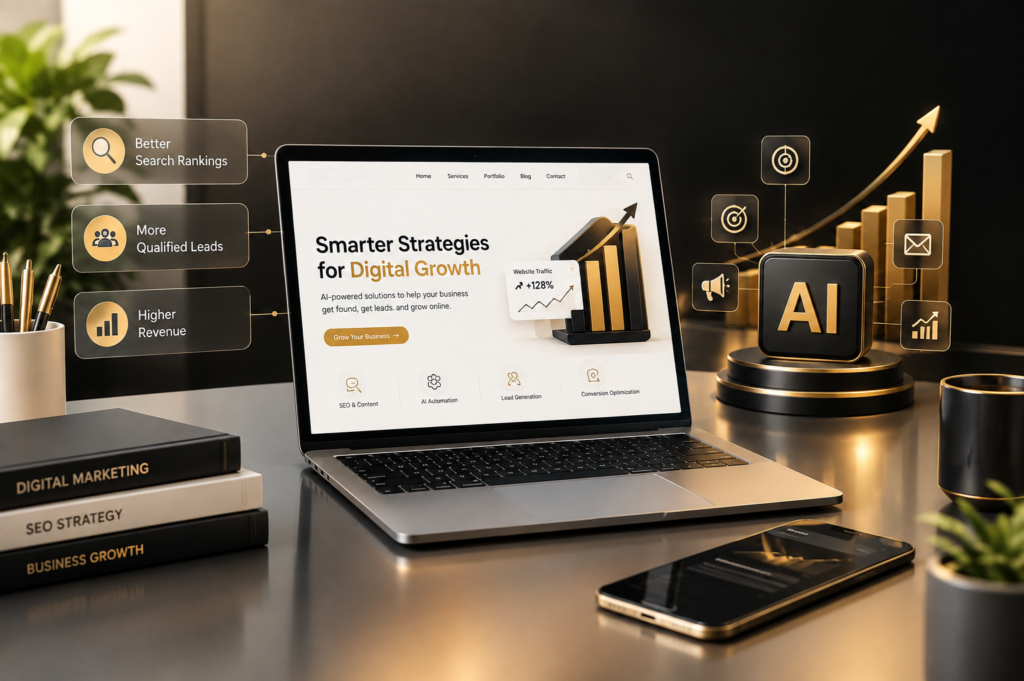
Your website should do more than sit on Google and wait for visitors. It should attract the right audience, build trust, generate qualified leads, and help turn website traffic into paying customers.
Artificial intelligence (AI) is changing how businesses approach website promotion, search engine optimization, content marketing, lead generation, and online sales. From identifying the keywords your potential customers search for to personalizing website experiences, AI can help businesses make better marketing decisions and improve how they connect with their audience.
But there is an important distinction: AI alone does not guarantee higher rankings, genuine traffic, or increased revenue. Businesses need a well-planned SEO strategy, useful content, a technically sound website, and conversion-focused marketing to turn AI-assisted work into measurable business results.
This guide explores how AI can support website promotion, improve search visibility, attract relevant visitors, generate leads, and help businesses build a website that contributes to revenue.
Why Businesses Need AI-Powered Website Promotion Today
Imagine spending months building a professional website, investing in attractive design, publishing service pages, and waiting for potential customers to contact you. But weeks pass, and your analytics report shows very little relevant traffic. Your competitors appear in search results, while your business struggles to reach the people who are actively looking for your services.
This is a common challenge for businesses competing online. A website may look professional, but design alone does not bring consistent customers. Businesses need to connect their website with what people search for, the problems they want to solve, and the reasons they should choose one provider over another.
AI can assist with several parts of this process:
- Identifying relevant SEO keywords and customer search intent.
- Finding content opportunities based on customer questions.
- Supporting website content optimization and content planning.
- Helping businesses analyze traffic, engagement, and marketing performance.
- Assisting with personalized customer communication.
- Supporting lead qualification and follow-up processes.
The goal is not to publish more content simply because AI makes it faster. The goal is to create useful content, attract the right visitors, and give those visitors a clear path toward becoming customers.
A Data-Driven Look at AI and Website Discovery
Google reported in August 2025 that overall organic click volume to websites from Google Search was relatively stable year over year, while its internal data indicated improved average click quality. The company also highlighted that users continue clicking to explore detailed information, reviews, and purchase-related content. This reinforces the importance of publishing useful, trustworthy website content rather than relying only on short answers.
A separate 2026 Semrush study analyzed billions of visits across more than 50,000 websites and 17 industries. It reported that AI referral traffic grew by 66% in 2025, although AI traffic represented less than 0.15% of total visits in its dataset. These findings suggest that AI discovery is developing, but traditional organic search remains an important part of website acquisition.
What does this mean for your business? AI should be part of a wider marketing system that combines SEO, website quality, customer trust, and conversion opportunities.
1. Use AI to Find the Right SEO Keywords Before Your Competitors Reach Your Customers
A website can offer excellent services and still receive little search traffic if its content does not match the phrases potential customers use.
For example, a company offering ecommerce development may focus on a broad keyword such as “ecommerce website.” However, customers with a stronger purchasing intention might search for:
- Shopify Development Services
- Hire Shopify Developers
- Custom Ecommerce Website Development
- BigCommerce Development Company USA
- Enterprise Ecommerce Development
- Ecommerce Website Migration Services
These searches represent different needs. Someone researching ecommerce platforms may still be learning, while someone searching for a development company may be comparing service providers and preparing to request a quotation.
AI can help marketers organize these differences by analyzing keyword ideas, search intent, related questions, and the problems behind each search. It can also support competitor content analysis and identify gaps that deserve original coverage.
How AI-Assisted Keyword Research Works
A practical workflow can include:
- Understand your business services. Identify the services, products, locations, and customer types you want to reach.
- Collect keyword ideas. Use SEO tools and AI-assisted brainstorming to discover relevant search phrases.
- Group keywords by intent. Separate informational searches from commercial investigation and service-related searches.
- Review competition and search demand. Check keyword difficulty, search volume, current results, and the quality of competing pages.
- Create a content plan. Match keywords with service pages, supporting articles, FAQs, and conversion-focused landing pages.
For example, an informational article about planning a Shopify store could naturally lead readers toward a Shopify Development Services page when they need professional assistance.
Commercial CTA: Are you targeting the right keywords for your business website? Review your existing service pages and identify whether they answer customer questions and provide a clear next step. A targeted SEO strategy can help you focus marketing efforts on relevant search intent.
2. Create Helpful, Original Content That Builds Search Visibility and Customer Trust
Publishing blog posts is not enough to attract qualified customers. Your content must answer real questions, demonstrate expertise, and give readers a reason to continue exploring your website.
Many businesses face a difficult choice: they know regular content matters, but producing well-researched articles takes time. Writers need to understand the industry, avoid repetitive explanations, verify information, and create content that is useful to actual customers.
AI can support the research and planning process, but businesses should maintain human review, fact-checking, and original insights.
Use Trust Signals Instead of Empty Marketing Claims
A professional business blog becomes more convincing when it includes evidence that helps readers evaluate the company.
Useful trust signals include:
- Relevant client case studies.
- Original project screenshots.
- Clear service descriptions.
- Author information and editorial review.
- Accurate industry statistics with source attribution.
- Transparent explanations of timelines and project requirements.
- Genuine testimonials, where permission has been obtained.
- Examples of technical expertise and completed work.
Google’s guidance on AI-generated content emphasizes that content should be created primarily to help people, rather than to manipulate search rankings. AI-assisted writing therefore needs a clear quality-control process and a meaningful purpose for the reader.
3. Improve Search Engine Ranking Through Technical SEO and Content Optimization
One of the biggest mistakes businesses make is expecting AI-written content to solve every SEO problem. Search visibility depends on many factors, including relevance, content quality, website accessibility, technical health, and how users interact with search results.
AI can support SEO analysis, but it should not replace proper technical audits or human decision-making.
Where AI Can Support SEO Improvements
Website content optimization
AI can review page structure and help identify opportunities to improve title tags, meta descriptions, headings, internal linking, and content clarity. Every suggestion should be checked for accuracy and relevance.
Technical SEO checks
AI-assisted tools can help summarize potential issues involving:
- Broken links.
- Missing or duplicated metadata.
- Crawlability.
- Page performance.
- Mobile usability.
- Structured data implementation.
- Content duplication.
These tools do not remove the need for appropriate technical testing. A recommendation should be validated before changes are deployed.
Internal linking
Strategic internal links help visitors discover related pages and help search engines understand the relationship between content on a website.
For example, an article about AI Automation in E-commerce could link to related service pages about Shopify development, ecommerce website development, or business contact options when those links genuinely help the reader.
Search intent alignment
A page targeting a commercial keyword should provide useful information about the service, explain its benefits, address customer concerns, and make it easy to take the next step. A page targeting an informational keyword should answer the user’s question clearly without forcing an irrelevant sales pitch.
Ranking Is Not a One-Week Promise
Businesses should be cautious of agencies or tools that promise guaranteed Google rankings or a fixed number of leads within a short period. SEO performance depends on the industry, competition, website condition, content quality, search demand, and other factors.
Track meaningful progress through measurable indicators such as:
| SEO metric | What it helps you understand |
|---|---|
| Organic impressions | How often your pages appear in search results |
| Search clicks | How many users visit from search |
| Relevant keyword visibility | Whether your pages appear for target searches |
| Organic conversions | Whether visitors take valuable actions |
| Qualified leads | Whether inquiries match your ideal customer |
| Revenue from organic traffic | Whether SEO contributes to business income |
Conversion CTA: Don’t judge your SEO campaign only by keyword positions. Connect search performance with actual business outcomes, including qualified inquiries, booked consultations, sales, and revenue.
4. Generate Relevant Website Traffic Instead of Chasing Empty Visitor Numbers
More visitors do not automatically mean more customers.
A website can receive thousands of visits from people who have no interest in its services. A smaller number of relevant visitors may be more valuable if they are actively researching a purchase, requesting a quote, or comparing providers.
AI can help businesses develop a traffic strategy around the audience they want to attract.
Combine Informational SEO With Commercial Content
01 A strong website promotion strategy should connect different stages of the customer journey.
Awareness: The customer has a question
02 The customer searches for information, such as “How can AI help an ecommerce business?”
Consideration: The customer explores solutions
03 The customer reads an article, compares approaches, and researches possible service providers.
Commercial intent: The customer evaluates providers
04 The customer searches for phrases such as “Hire Shopify Developers” or “Custom Ecommerce Development.”
Conversion: The customer takes action
The website offers a clear consultation request, contact form, quotation request, or other appropriate next step.
AI can help identify related questions, organize topics, and suggest connections between informational articles and commercial service pages. The content must still provide genuine value at each stage.
Example: Turning an Article Into a Customer Journey
Suppose an agency publishes a blog called “How AI Can Help Improve Ecommerce Website Performance.”
The article could explain:
- How AI can assist with customer behavior analysis.
- How personalization may improve product discovery.
- How automated support can help answer common questions.
- How analytics can reveal conversion barriers.
- What businesses should consider before investing in AI tools.
A relevant internal link could guide interested readers toward Ecommerce Development Services. The service page can then explain the agency’s capabilities, project approach, and how customers can request more information.
The link should be useful in context—not inserted merely to increase the number of backlinks.
Commercial CTA: Review your top-performing blog articles. Do they guide readers toward relevant services, helpful resources, or a clear contact option? If visitors finish reading without knowing what to do next, you may be missing an opportunity to generate qualified inquiries.
5. Use AI to Support Lead Generation and Turn Website Visits Into Business Opportunities
Getting a visitor to your website is only the beginning. The next challenge is helping that visitor take a meaningful action.
Many businesses spend money on SEO and advertising but lose potential customers because their website does not clearly communicate what happens after someone submits an inquiry.
A visitor might be interested in your services but hesitate because:
- The contact form asks for too much information.
- There is no clear explanation of the service.
- The website lacks relevant project examples.
- The customer cannot find pricing guidance or a consultation option.
- The next step is unclear.
- The business does not respond promptly to inquiries.
AI can support parts of the lead-generation process, but the website’s messaging, trust signals, and follow-up workflow remain essential.
AI-Assisted Lead Generation Strategies
1. Identify high-intent visitors
Analytics and marketing platforms can help businesses examine visitor behavior, traffic sources, and interactions. Use appropriate privacy safeguards and consent practices when collecting or processing customer data.
2. Offer useful conversion opportunities
Different visitors may need different next steps:
- Request a project consultation.
- Ask for a quotation.
- Schedule a discovery call.
- Download a relevant guide.
- Explore a case study.
- Contact a specialist.
The CTA should match the content and the visitor’s likely needs.
3. Use chatbots for common questions
An AI chatbot can help answer routine questions about services, project processes, and availability. It should provide accurate information, clearly identify when automation is involved where appropriate, and offer a way to reach a human representative for complex requests.
4. Support lead qualification
AI-assisted workflows may help organize incoming inquiries by service type, project requirements, timeline, or other business-defined criteria. The business should validate the information and ensure that automated categorization does not unfairly exclude potential customers.
Example: A Visitor Who Becomes a Qualified Lead
A business owner searches for “Custom Shopify Development Services” and arrives at a relevant service page.
Instead of displaying only a paragraph about the company’s experience, the page could provide:
- A clear explanation of the service.
- A description of the problems it solves.
- Relevant portfolio examples.
- Information about the development process.
- A consultation or quotation CTA.
- A simple contact form.
- A confirmation message explaining the next step.
The customer now has more information and a clearer path to contacting the business.
CTA: Ready to improve your website’s lead-generation process? Review your service pages, contact forms, and inquiry workflows. Look for points where potential customers might have questions, lose confidence, or struggle to take action.
6. Personalize Website Experiences to Help Customers Make Purchasing Decisions
Every website visitor arrives with different expectations. Some people want to compare services, others need technical guidance, and some are ready to contact a provider.
A website that presents the same experience to every visitor may miss opportunities to address these different needs.
AI-powered personalization can help businesses understand customer preferences and provide more relevant experiences when the necessary data, tools, and privacy practices are in place.
Practical Examples of AI-Powered Personalization
Personalized product recommendations
An ecommerce store can use customer behavior and product information to recommend relevant products. For example, a visitor browsing running shoes may see related footwear, accessories, or products based on their activity.
Relevant content suggestions
A website visitor reading about Shopify migration may be shown related content about data migration planning, theme compatibility, or ecommerce development services.
Targeted customer messaging
Businesses can use customer segments and consent-based data to provide more relevant email campaigns, offers, and follow-up communications.
Personalized support
AI-powered support systems can help customers find answers based on their questions and the information available in the company’s knowledge base.
Personalization should not feel intrusive or make unsupported assumptions about a visitor. The experience should remain useful, transparent, and respectful of customer privacy.
Why Personalization Matters for Commercial Intent
Consider two visitors:
- Visitor A is reading an introductory article about ecommerce platforms.
- Visitor B is searching for an agency to migrate an existing Shopify store.
Both may be interested in ecommerce, but their immediate needs differ. Relevant content and clear service pathways can help each visitor find the information that fits their stage of decision-making.
Conversion CTA: Examine your website’s most important visitor journeys. Can a customer quickly find the content, product, or service that matches their current needs?
7. Use AI to Support Paid Advertising and Reach Customers With Buying Intent
Organic search is important, but it is not the only way to promote a business website. Paid advertising can help businesses reach selected audiences through platforms such as Google Ads and social advertising networks.
AI is increasingly integrated into advertising platforms for tasks such as audience targeting, creative assistance, campaign optimization, and performance analysis.
Google’s India-focused Marketing Live 2025 announcement described AI-related advertising capabilities and reported a 15% increase in conversions in an early AI Max test by Cashify. This was a reported result from a specific company test, not a guaranteed outcome for all advertisers.
Build an Advertising Strategy Around Business Objectives
A campaign should start with a clear objective:
- Generate consultation requests.
- Promote a specific service.
- Increase ecommerce purchases.
- Attract customers in a target location.
- Encourage visitors to complete an inquiry.
- Re-engage eligible previous visitors.
AI can help produce ad copy variations, identify potential keyword themes, and assist with campaign analysis. However, businesses still need to define their audience, budget, landing page, and conversion measurement.
Why Your Landing Page Matters
Imagine a business spending money to advertise “Hire Shopify Developers.” The advertisement brings users to a page that only contains general information about the company, with no clear description of Shopify services or a contact option.
The advertising campaign may attract visitors, but the landing page may not give them enough confidence to inquire.
A relevant landing page should explain:
- What service the business provides.
- Who the service is intended for.
- What challenges the team can help address.
- Relevant experience or project examples.
- How to request a consultation or quotation.
Commercial CTA: Before increasing your advertising budget, check whether your landing pages match the promise of your advertisements. A clear message and relevant next step can make the visitor experience more useful.
8. Turn Website Analytics Into Decisions That Can Improve Leads and Revenue
AI-powered marketing becomes more useful when businesses measure what happens after a visitor arrives.
A website might receive more traffic but fewer inquiries. Another website might receive fewer visitors but generate higher-value projects. Without conversion and revenue data, it is difficult to understand which marketing activities are contributing to business objectives.
Track the Metrics That Matter to Your Business
| Metric | Business question |
|---|---|
| Organic traffic | Are relevant users discovering our website through search? |
| Engagement | Are visitors finding the content useful? |
| Conversion rate | What proportion of visitors take a desired action? |
| Qualified leads | Are the inquiries relevant to our services? |
| Cost per lead | How much are we spending to acquire an inquiry? |
| Customer acquisition cost | What does it cost to gain a customer? |
| Revenue | Is our marketing contributing to actual business income? |
| Return on ad spend | How much revenue is associated with advertising spend? |
These metrics should be interpreted according to the business model. A service agency may measure consultation requests and signed projects, while an ecommerce business may focus on purchases, average order value, and repeat customer activity.
A Simple Revenue Measurement Example
Suppose a business receives 1,000 relevant website visitors in a month.
- 40 visitors submit inquiries.
- 10 inquiries become qualified opportunities.
- 2 opportunities become paying customers.
- Each customer generates ₹50,000 in revenue.
The example produces ₹1,00,000 in revenue from those two customers. It is an illustration, not a forecast or a benchmark.
The business can then examine which marketing channels and landing pages contributed to the inquiries, whether the leads were suitable, and where improvements might be possible.
AI-assisted analytics may help identify patterns in this information. However, attribution is not always exact, especially when customers interact with multiple channels before making a purchase.
Conversion CTA: Connect your website analytics with your business goals. Track not only how many people visit your website, but also how many become qualified leads and paying customers.
9. Use AI to Strengthen Your Brand’s Visibility in Search and AI-Generated Answers
Search behavior is changing. Users increasingly encounter information through traditional search results, AI-generated summaries, and conversational search interfaces.
This creates an additional consideration for businesses: how can their website content be easy to understand, trustworthy, and relevant when search systems identify sources to show users?
Businesses should not assume that appearing in an AI-generated answer is guaranteed by adding a particular keyword or using a specific tool. Instead, they should focus on strong foundational practices.
Content Practices That Support Search Discoverability
Write clear, specific answers. Explain questions directly and avoid unnecessary filler.
Demonstrate expertise. Include accurate information, relevant experience, and original examples.
Maintain content quality. Review outdated information, fix factual errors, and update important pages when needed.
Build useful website structure. Use descriptive headings, appropriate internal links, and clear navigation.
Support credibility. Cite reliable sources when presenting statistics or industry claims.
Make service information easy to understand. Explain what your business offers, whom it serves, and how potential customers can get in touch.
Google’s public statements about AI search emphasize that users continue to explore websites for detailed information, unique perspectives, and content that helps them make decisions. Businesses can respond by prioritizing useful, original website content rather than treating AI visibility as a replacement for SEO fundamentals.
AI Search Is Not a Substitute for Website SEO
Semrush’s 2026 traffic study reported that AI referral traffic was growing, but still represented a small proportion of total visits in its analyzed dataset. The study also found that organic search remained a major source of traffic.
This supports a balanced approach: improve your website for conventional search while producing content that is clear and useful in changing discovery environments.
Commercial CTA: Review your website’s most important pages. Are your service descriptions, business information, and expertise clear enough for both potential customers and search systems to understand?
10. Create an AI-Assisted Content Promotion Strategy That Brings Visitors Back to Your Website
Publishing one article and waiting for results is rarely a complete website promotion strategy.
Content promotion involves distributing useful material through channels that are relevant to your target audience. AI can help businesses plan variations of content for different platforms, identify possible promotional themes, and organize publishing workflows.
The original article should remain the foundation. Promotional versions should be adapted to each channel rather than copied everywhere without consideration.
A Practical Content Promotion Workflow
- Research the topicIdentify a genuine customer problem and collect relevant, reliable information.
- Publish the main website articleCreate a detailed resource with original insights, relevant keywords, and appropriate internal links.
- Create promotional contentAdapt the key insights into LinkedIn posts, short educational updates, email content, or other suitable formats.
- Direct interested users to the websiteUse natural, relevant links to the original article or a related service page.
- Review performanceExamine traffic, engagement, inquiries, and conversions to understand which activities are useful.
Example for an Ecommerce Development Agency
A company publishes an article about AI-Powered Product Recommendations in E-commerce.
It could then create:
- A LinkedIn post explaining how product recommendations work.
- A short educational post about common ecommerce personalization challenges.
- An email highlighting practical considerations for store owners.
- A related service-page link for businesses seeking ecommerce development support.
The content should be adapted for the platform and audience. Promotional messages should not make unsupported claims or promise guaranteed sales.
CTA: Do you have valuable website content that is receiving little attention? Build a promotion plan that connects your articles with relevant audiences and measurable business goals.
11. Build a Website That Works Like a Sales Machine—With the Right Strategy Behind It
The phrase “sales machine” sounds attractive to business owners because it reflects an important goal: a website that consistently supports customer acquisition and revenue.
However, no website or AI tool can guarantee a continuous stream of sales without considering the product or service, market demand, pricing, customer experience, competition, and marketing execution.
A sales-focused website should work toward several connected objectives:
- Attract relevant visitors through search, content, advertising, and other appropriate channels.
- Build confidence through clear information, credible evidence, and professional presentation.
- Address buying concerns with useful answers, examples, and transparent service information.
- Encourage action through relevant CTAs and a straightforward contact or purchase process.
- Support follow-up so genuine inquiries receive appropriate attention.
- Measure business results to identify what is contributing to leads and revenue.
What a Conversion-Focused Website Should Include

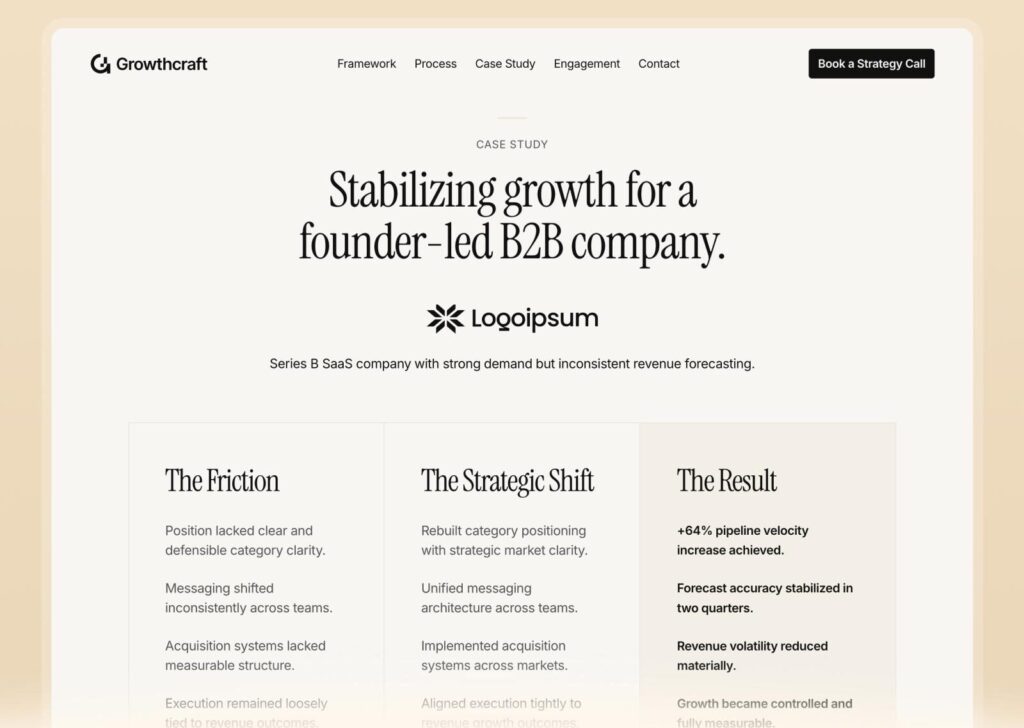
Professional and User-Friendly Design
Visitors should be able to understand your offer and navigate the website comfortably on desktop and mobile devices.
Relevant Portfolio and Case Studies
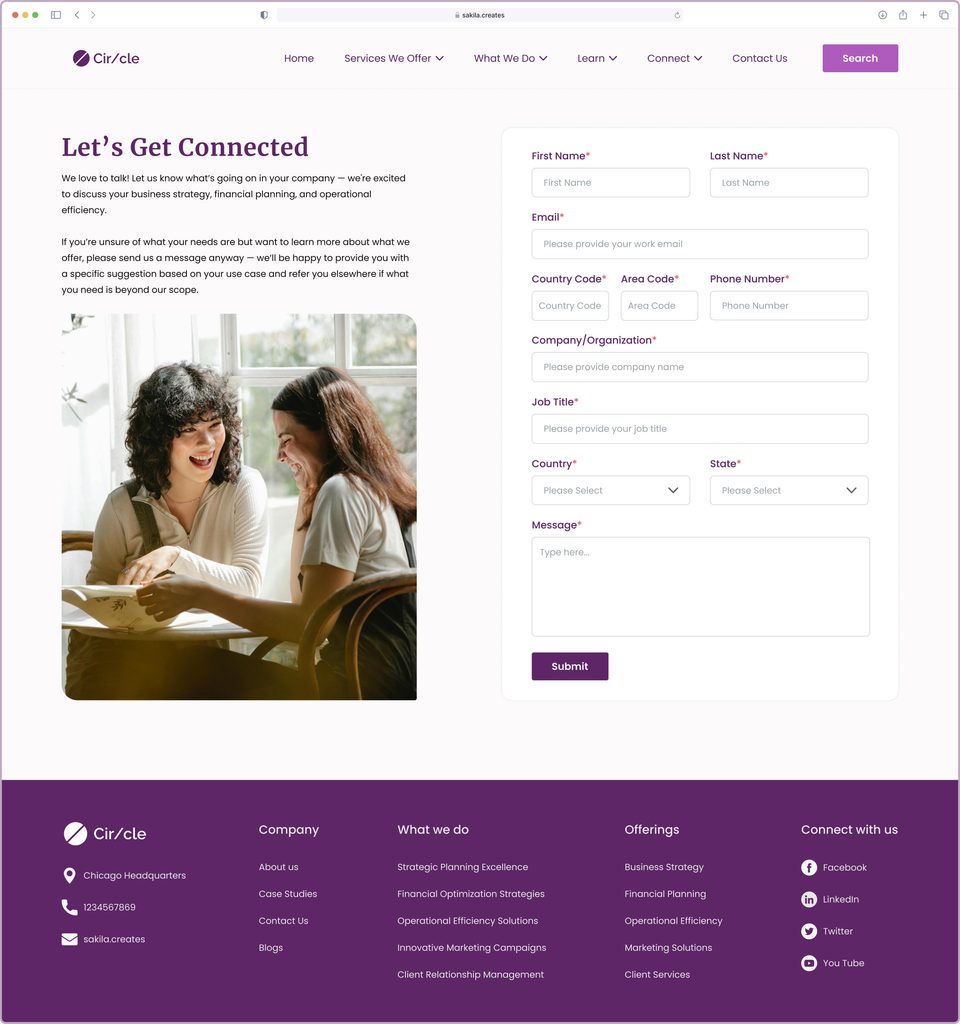
Show practical examples of your work where you have permission to publish them. Explain the project context and the services delivered.
Clear Conversion Paths
Make it easy for visitors to find what they need and take action. Provide clear options to request information or schedule a consultation. Use simple and visible calls-to-action throughout the website.
Guide visitors smoothly toward the next step in their journey. Keep important contact and inquiry options easy to find.
Analytics and Ongoing Improvement
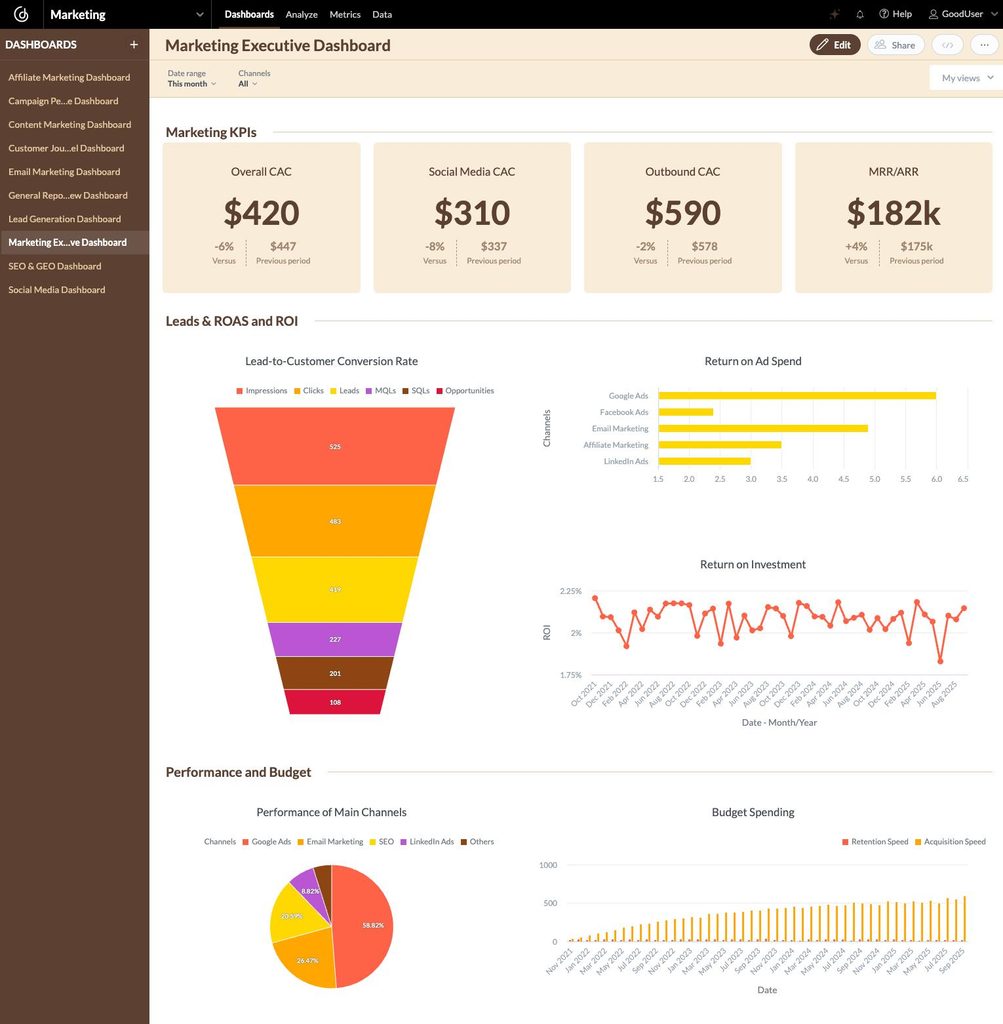
Use reliable data to understand website performance and identify opportunities to improve the customer journey.
The Business Impact of Connecting These Elements
Consider a company that invests in SEO but has confusing service pages. Even if the company attracts more relevant visitors, some may leave without contacting the business.
Now consider a website with clear service descriptions, useful content, project examples, strong internal linking, and a straightforward inquiry process. It still cannot guarantee a conversion, but it gives interested visitors more information and a clearer way to move forward.
Commercial CTA: Is your website attracting visitors but failing to generate enough inquiries? A website review can help identify potential issues in content, navigation, conversion paths, and technical performance.
12. A Practical AI-Powered Website Promotion Plan for Businesses
AI marketing tools become more valuable when they are connected to a clear implementation plan. Businesses should start with their current situation rather than adopting every available tool at once.
The following framework can help organize a website promotion project.
Phase 1: Website and SEO Audit
Foundation
Review existing pages, technical issues, keywords, search performance, and conversion paths.
Phase 2: Content and Keyword Strategy
Identify relevant topics, prioritize commercial keywords, and create original articles and service-page improvements.
Phase 3: Website Optimization
Improve page clarity, technical SEO, internal links, mobile experience, and conversion opportunities.
Phase 4: Content Promotion
Promote relevant content through suitable channels, including organic search, social media, email, and paid campaigns where appropriate.
Phase 5: Measurement and Refinement
Track relevant traffic, leads, conversion rates, and revenue indicators. Use the findings to prioritize improvements.
What to Prioritize First
Not every business needs the same order of work. For example:
- A website with technical problems may need an SEO audit before publishing a large amount of content.
- A website with traffic but few inquiries may need a conversion and messaging review.
- A new business may need foundational keyword research and service-page development.
- An established ecommerce business may need product content improvements, customer experience analysis, and analytics refinement.
AI can assist across these activities, but the strategy should be based on the business’s actual needs.
Common Mistakes to Avoid When Using AI for Website Promotion
AI can make some marketing tasks more efficient, but careless implementation may create new problems.
Mistake 1: Publishing AI-Generated Content Without Review
Unedited content can contain factual errors, repetitive language, generic examples, or unsupported claims. Human review is important, especially for commercial service pages and industry-specific information.
Mistake 2: Targeting Keywords Without Understanding Intent
A keyword with high search volume is not automatically valuable for every business. The searcher’s purpose, competition, relevance, and potential business value should be considered.
Mistake 3: Buying Traffic Without a Conversion Strategy
Traffic campaigns may bring visitors, but the landing page and offer need to address the needs of the target audience. Review campaign results alongside qualified leads and business outcomes.
Mistake 4: Using Fake Reviews or Unsupported Statistics
Trust is difficult to build and easy to damage. Businesses should use genuine evidence, accurately attributed research, and transparent claims.
Mistake 5: Expecting Instant SEO Results
SEO and content marketing may require ongoing work and measurement. Businesses should avoid guaranteeing specific rankings, traffic volumes, or revenue outcomes without a credible basis.
Mistake 6: Ignoring Privacy and Customer Data Protection
AI systems that process customer information should be implemented with appropriate security, access controls, and privacy requirements. Businesses should understand how their tools handle data before using them in customer-facing workflows
How to Measure Whether AI Is Helping Your Business Grow
A successful website promotion strategy should be evaluated using clear business objectives. AI adoption by itself is not a measure of success.
Suggested Monthly Performance Review
| Area | What to review |
|---|---|
| Search visibility | Impressions, relevant search terms, and landing-page performance |
| Content quality | Updates, accuracy, engagement, and content usefulness |
| Lead generation | Inquiry volume, lead quality, and response process |
| Conversion | Contact form completion, consultation bookings, or purchases |
| Revenue | Revenue attributed to marketing where measurement is appropriate |
| Technical SEO | Site health, page performance, mobile usability, and indexing issues |
| Marketing efficiency | Campaign cost, conversion value, and return on investment |
The exact metrics and review period should match the business’s sales cycle. A high-value B2B service may require a longer period to evaluate qualified leads and closed projects than a business selling low-cost products online.
CTA: Start with a small set of measurable objectives. Review your performance regularly and use the findings to improve the website promotion strategy instead of relying on assumptions.
FAQs: AI Website Promotion and Digital Growth
AI can support keyword research, content planning, SEO analysis, personalization, marketing analytics, and lead-generation workflows. Businesses should combine these capabilities with a broader strategy and human review.
AI can assist with SEO tasks such as content analysis, keyword research, and technical issue identification. However, AI does not guarantee higher rankings. Search performance depends on multiple factors, including relevance, content quality, technical website health, and competition.
AI can help businesses plan content, identify relevant audiences, and support marketing activities that attract visitors. Real traffic and lead generation depend on the quality of the strategy, customer demand, website experience, and conversion process.
AI can support customer analysis, content optimization, personalization, and marketing workflows. Revenue improvements depend on factors such as conversion rates, customer acquisition costs, product or service demand, and the effectiveness of the overall sales process.
AI-assisted content can be useful when it provides accurate, original, relevant information and is created for people. Businesses should review and improve content to ensure it meets their quality standards and serves the reader’s needs.
The timeframe varies according to the website’s starting condition, competition, marketing channels, content quality, and business objectives. There is no universal guaranteed timeline for achieving specific SEO rankings or revenue results.
Final Thoughts: Use AI to Support Growth, Not Replace Good Marketing
AI is changing how businesses research keywords, create content, analyze customer behavior, improve website experiences, and manage marketing workflows. It can help teams organize their work and identify opportunities, but the results depend on how thoughtfully the technology is applied.
A website that attracts relevant visitors, answers customer questions, demonstrates expertise, and provides clear conversion opportunities has a stronger foundation for supporting business growth.
The most useful approach is to connect AI-Powered SEO, Website Promotion, Content Marketing, Lead Generation, and Conversion Optimization with a clear business strategy.
Rather than asking only, “How can AI generate more traffic?” businesses should also ask:
- Are we reaching the right audience?
- Does our website answer customer questions?
- Are our service pages convincing and easy to understand?
- Are we converting relevant visitors into qualified leads?
- Can we measure the connection between marketing activity and revenue?
These questions help businesses focus on outcomes rather than simply producing more content or collecting larger visitor numbers.
Ready to improve your website’s digital growth strategy?
At iOGOOS, businesses can explore ecommerce development and website-related services based on their specific needs. Start by reviewing your current website, identify opportunities for improvement, and plan the next steps around your customers and business objectives.










Leave a Reply