Shopify Store Is Slow? How to Fix It and Improve Speed, SEO & Conversions

Your Shopify store may look polished, have great products, and attract the right visitors—but if pages take too long to load, customers may leave before they ever see what makes your brand worth buying from.

A slow Shopify store can affect much more than a PageSpeed score. It can create friction while shoppers browse products, interact with filters, add items to the cart, or move toward checkout. Poor performance can also weaken the overall user experience that supports organic search visibility.

The good news is that Shopify itself is rarely the fundamental problem.

Shopify already provides managed hosting, a global CDN, image optimization, browser caching, compression, and other platform-level performance features. In many cases, slow storefronts become slow because of what has been added on top: theme code, Shopify apps, third-party scripts, tracking tags, oversized media, animations, and years of customizations.

If your Shopify store feels slow, this guide will help you identify what is actually causing the problem, what you can safely fix, and when deeper Shopify performance optimization is needed.Is Your Shopify Store Losing Customers Because of Speed?
Let our Shopify specialists review your theme, apps, scripts and Core Web Vitals to identify what is slowing down your storefront.
Request a Shopify Performance Audit →

Why Shopify Store Speed Matters to Your Business

Store speed isn’t simply a technical metric.

Imagine someone discovers your product through Google, Instagram, an influencer, or an email campaign. They tap your link from their phone.

The page begins loading.

The hero image takes too long to appear. A popup script runs. Reviews initialize. A tracking tool loads. The page shifts as another widget appears.

The shopper hasn’t even evaluated the product yet—and you’ve already made the buying journey harder.

This is why Shopify speed optimization should be approached as part of customer experience, SEO, and conversion optimization rather than as a race for a perfect testing-tool score.

Shopify states that better web performance can improve customer experience, conversion rates, and store discoverability. Its performance guidance identifies themes, installed apps, and manually added third-party code as major factors affecting Shopify storefront performance.

What a Slow Shopify Store Can Affect

A poorly optimized storefront can contribute to:

  • Higher abandonment from mobile visitors
  • Slower product and collection browsing
  • Delayed add-to-cart interactions
  • Frustrating navigation and filtering
  • Poor Core Web Vitals
  • Lower engagement with landing pages
  • Wasted SEO and marketing traffic
  • Reduced conversion opportunities

Speed matters because every visitor arrives with limited patience and many alternatives.

How Fast Should a Shopify Store Be?

Instead of obsessing over a single PageSpeed number, start with Google’s Core Web Vitals.

These metrics measure real aspects of the experience your shoppers receive.

Largest Contentful Paint (LCP)

What it measures: How quickly the main visible content loads.

Good target: 2.5 seconds or less

For a Shopify store, the LCP element might be your homepage hero, collection banner, or main product image.

Interaction to Next Paint (INP)

What it measures: How quickly your storefront responds when a visitor interacts with it.

Good target: 200 milliseconds or less

A poor INP can make actions such as opening menus, choosing variants, applying filters, or interacting with product components feel sluggish.

Cumulative Layout Shift (CLS)

What it measures: Unexpected movement of content while the page loads.

Good target: 0.1 or less

You’ve probably experienced this yourself: you’re about to tap a button and suddenly the page moves because another element loads above it.

That is exactly the kind of frustration CLS is designed to measure.

For Core Web Vitals, performance is generally evaluated at the 75th percentile of page loads.

Shopify Performance Benchmark

There is another useful reality check.

Shopify published platform-wide Liquid storefront data for January–February 2026 showing median performance of approximately:

LCP: 1.1 seconds
INP: 40 milliseconds
CLS: 0.001

That doesn’t mean every Shopify store should achieve those exact numbers. Stores vary considerably in design, apps, functionality, traffic, and custom development.

It does show something important:

Shopify itself is capable of delivering very fast storefront experiences.

If your store is substantially slower, the first question shouldn’t be “Is Shopify slow?”

It should be:

“What is my storefront loading that is making it slow?”

Why Is My Shopify Store So Slow?

There isn’t one universal answer.

We’ve seen Shopify stores where one poorly implemented feature creates most of the performance problem, while others accumulate dozens of smaller issues over several years.

Here are the areas we investigate first.

1. Too Many Shopify Apps

Apps make Shopify powerful, but every storefront app Shopify app development and integration should earn its place.

Review widgets, chat systems, recommendation engines, upsell tools, popups, loyalty programs, heatmaps, social feeds, currency tools and analytics platforms can introduce additional JavaScript, CSS, requests and third-party resources.

The problem isn’t simply the number of installed apps.

The important questions are:

  • What does the app load on the storefront?
  • Does it load on every page?
  • Does the feature need to load immediately?
  • Is another app providing the same functionality?
  • Is the app actually contributing to revenue or customer experience?
  • Did uninstalling an old app leave code behind?

How to Fix It

Audit every installed app and classify it as:

Essential | Useful | Replaceable | Unused

Remove applications that provide little business value.

But don’t stop at clicking Uninstall.

An app may leave theme snippets, scripts, stylesheets, app embeds, or other code behind. Review the theme after removing apps and clean up unused resources carefully.

Important: Don’t delete unfamiliar theme code directly on a live store. Work from a duplicate theme and test changes before publishing.

2. Your Shopify Theme Has Become Too Heavy

A theme that started fast can become considerably heavier after months or years of development.

Common causes include:

  • Repeated custom modifications
  • Large JavaScript bundles
  • Unused CSS
  • Multiple libraries doing similar jobs
  • Heavy sliders
  • Excessive animations
  • Old theme architecture
  • Poorly implemented sections
  • Duplicate functionality
  • Code from previous developers
  • App remnants

This is particularly common when several developers and agencies have worked on the same storefront over time.

How to Fix It

Perform a Shopify theme code audit.

Look for code that can be removed, simplified, conditionally loaded, deferred, or replaced with native Shopify functionality.

Don’t blindly delete functionality just to improve a benchmark.

The goal is a faster store that still sells effectively, not an empty storefront with a high performance score.

Has Your Shopify Theme Been Modified for Years?
We can audit legacy theme code, unused assets, app remnants and third-party scripts without rebuilding everything unnecessarily.

custom Shopify theme development
Get Your Shopify Theme Reviewed →

3. Large Images Are Slowing Important Pages

eCommerce naturally depends on visual content.

High-resolution product photography, lifestyle images, banners, lookbooks and promotional graphics can all improve merchandising—but images should be delivered according to how they are actually displayed.

A 4,000-pixel image does not need to be downloaded if a visitor only sees it inside a much smaller card.

Shopify Image Optimization Checklist

Make sure you:

  • Upload appropriately sized source images
  • Avoid unnecessarily large files
  • Use responsive image delivery
  • Set width and height attributes
  • Lazy-load below-the-fold images where appropriate
  • Avoid lazy-loading critical above-the-fold imagery without considering LCP
  • Remove unused image assets where relevant
  • Test product, collection and homepage imagery independently

Shopify already provides an image CDN and can resize, compress, and serve optimized image formats. The theme still needs to request and display those assets intelligently.

4. Your Hero Section Is Beautiful—but Expensive

One of the most common performance problems sits right at the top of the homepage.

A hero might contain:

  • Desktop background image
  • Mobile background image
  • Autoplay video
  • Slider
  • Animation library
  • Custom fonts
  • Multiple CTA effects
  • JavaScript transitions
  • Tracking events

All of this can happen before a visitor even begins scrolling.

Better Approach

Ask:

Does this hero actually help someone buy?

A strong hero doesn’t need five slides and complicated animations. Shopify performance optimization Often, one clear visual, one strong value proposition and one primary call to action provide a better customer experience while reducing unnecessary loading work.

5. Third-Party JavaScript Is Blocking the Experience

Your theme isn’t the only source of JavaScript.

Shopify stores commonly depend on third-party scripts for:

  • Google Tag Manager
  • Advertising pixels
  • Analytics
  • Heatmaps
  • Live chat
  • Reviews
  • Personalization
  • A/B testing
  • Affiliate tracking
  • Social integrations
  • Recommendation tools

Each script may appear small independently.

Together, they can become expensive.

What to Do

Create an inventory of every third-party script.

For each one, ask:

Who added it?
What business purpose does it serve?
Does it need to load immediately?
Does it need to run on every page?
Is the company still using it?

Old marketing campaigns often leave tracking code behind long after the campaign itself has ended.

Remove what isn’t required and reconsider when non-critical scripts execute Shopify development experts.

6. Too Much JavaScript Is Hurting Interactivity

A page can appear loaded but still feel slow.

You tap the menu.

Nothing happens immediately.

You select a variant.

There’s a delay.

You open a filter.

The interface hesitates.

This is where Interaction to Next Paint (INP) becomes particularly important.

Shopify specifically points to excessive JavaScript from theme code, apps, and third-party/tag-manager code as a likely contributor to poor INP.

How to Improve It

Depending on the store, improvements may include:

  • Removing unnecessary JavaScript
  • Splitting code by functionality
  • Loading scripts only where required
  • Deferring non-critical work
  • Reducing expensive event handlers
  • Replacing heavy libraries
  • Simplifying theme functionality
  • Auditing app-generated scripts
  • Reviewing tag-manager execution

This usually requires developer-level investigation rather than installing another “speed optimization” app.

7. Too Many Sections Are Loading on One Page

Modern Shopify themes make it easy to add sections.

That flexibility can become a performance problem when a homepage contains:

hero → announcement → featured collection → video → testimonials → recommendations → Instagram → reviews → another collection → blog → newsletter → social proof → another carousel.

Every section may bring additional HTML, images, CSS, JavaScript, and third-party functionality.

Fix the Page Around Buying Intent

Instead of asking:

“What else can we add?”

ask:

“What does the customer need to make the next decision?”

Remove sections that don’t help visitors understand the product, trust the business, navigate the catalog, or buy.

Performance optimization and conversion optimization should work together.

8. Large Collection Pages Are Doing Too Much

Stores with hundreds or thousands of products can run into problems when collection pages attempt to display too much at once.

Potential issues include:

  • Excessive product cards
  • Multiple product images per card
  • Swatches
  • Quick-add functionality
  • Review stars
  • Wishlist buttons
  • Complex filtering
  • Recommendation logic

Better Approach

Use sensible pagination or controlled loading and evaluate every feature included on product cards.

Shopify itself recommends pagination for collections containing large numbers of products rather than forcing excessive content to load at once Shopify eCommerce development.

9. Fonts Can Quietly Damage Performance

Custom typography is valuable for branding, but poor font implementation can add unnecessary network requests and visual instability.

Common problems include:

  • Too many font families
  • Too many weights
  • Loading fonts that aren’t actually used
  • Third-party font dependencies
  • Poor font-display behavior

Fix

Use only the font files and weights your design actually needs.

Brand consistency matters. Loading seven variations that nobody sees doesn’t.

10. Tracking Tags Have Accumulated Over Time

Marketing teams regularly add:

Meta Pixel
Google Ads
Google Analytics
TikTok
Pinterest
Affiliate systems
Heatmaps
Retargeting scripts
Experimentation tools

But removal rarely receives the same attention.

A store can therefore accumulate tracking code from campaigns that ended years ago.

Fix

Audit Google Tag Manager and every manually installed tracking script.

Remove duplicates, old pixels, unused events and tags that no longer support a current business requirement.

How to Find What Is Actually Slowing Down Your Shopify Store

Don’t begin by randomly removing things.

Start with evidence.

Step 1: Check Shopify’s Web Performance Reports

Shopify provides real-user performance reporting based around:

LCP
INP
CLS

This is especially useful because it reflects actual visitor experiences rather than only a single simulated test.

Review performance across mobile and desktop and look for changes that coincide with:

  • App installations
  • Theme releases
  • New marketing scripts
  • Design changes
  • New features

Step 2: Test Important Pages Individually

Don’t test only your homepage.

Check:

Homepage
Top collection pages
Best-selling product pages
Landing pages
Search/results pages where applicable

A homepage can perform well while a heavily customized product page performs badly.

Step 3: Use Google PageSpeed Insights

PageSpeed Insights can help identify issues involving:

  • LCP
  • INP
  • CLS
  • Render-blocking resources
  • JavaScript execution
  • Image delivery
  • Main-thread work
  • Third-party resources

Don’t treat every recommendation as a command.

Some generic testing-tool recommendations relate to infrastructure Shopify already manages.

Use the report to diagnose the storefront—not to chase a perfect score.

Step 4: Inspect the Browser Network and Performance Data

For deeper issues, browser developer tools can reveal:

  • Large requests
  • Slow third-party resources
  • JavaScript execution
  • Network waterfalls
  • Unused assets
  • Rendering bottlenecks

This is where an experienced Shopify developer can often distinguish between a symptom and the actual cause.

Why Installing a Shopify Speed App Isn’t Always the Answer

When a store owner searches “how to speed up Shopify store,” installing another app can sound like the easiest solution.

Sometimes an app can help with a specific optimization.

But consider the logic:

If your store is already slow because too many scripts and apps are running, adding another layer of code may not address the root problem.

Start with:

Diagnosis → Remove waste → Optimize existing code → Improve delivery → Measure again

rather than:

Slow store → Install another app → Hope

Should You Change Your Shopify Theme?

Not automatically.

If the theme’s foundation is good, optimizing the existing theme may be more practical than rebuilding the entire storefront.

Consider a theme rebuild or major upgrade when:

  • The theme is significantly outdated
  • Legacy code is difficult to maintain
  • Years of modifications have created technical debt
  • Important functionality is duplicated
  • Performance issues are architectural
  • The current UX is also hurting conversions Shopify website redesign
  • Your business requirements have outgrown the existing theme

The decision should come after an audit—not before it.

Shopify Speed Optimization and SEO: What’s the Connection?

A faster store does not magically guarantee a #1 Google ranking.

SEO depends on many signals, including relevance, content quality, links, technical accessibility and competition.

But performance still matters.

A faster Shopify store can improve the experience visitors receive after clicking a search result. Core Web Vitals also provide Google with measurable information about real-world page experience.

For eCommerce SEO, this matters across:

Product pages
Collection pages
Category landing pages
Blog content
Campaign landing pages

Think about speed as one component of a broader Shopify SEO strategy, not a substitute for one.

Don’t Sacrifice Conversion Features Just to Get a 100 Score

This is another common mistake.

Imagine a product recommendation tool makes the page slightly heavier but generates meaningful additional revenue.

Removing it just to move a synthetic performance score from 92 to 100 might be the wrong business decision.

Shopify itself notes that there is no universal requirement to achieve a perfect performance score and recommends balancing features against their effect on web performance Shopify CRO services.

The question isn’t:

“How do we get 100?”

The better question is:“How do we make this storefront faster without removing features customers actually use?”

Shopify Speed Optimization Checklist

If your Shopify store is running slowly, review these areas:

Theme

  • Update your theme where appropriate
  • Audit custom Liquid
  • Remove obsolete code
  • Reduce unused CSS and JavaScript
  • Review animations and transitions
  • Limit unnecessary sections

Apps

  • Audit installed apps
  • Remove unused applications
  • Check for leftover app code
  • Avoid duplicated functionality
  • Review app embeds

Images & Video

  • Right-size images
  • Use responsive images
  • Lazy-load appropriate media
  • Review LCP imagery
  • Avoid unnecessary autoplay video
  • Set image dimensions

JavaScript

  • Remove unnecessary libraries
  • Defer non-critical scripts
  • Reduce main-thread work
  • Load features only where needed
  • Review third-party JavaScript

Tracking

  • Audit Google Tag Manager
  • Remove outdated pixels
  • Remove duplicate tracking
  • Delay non-essential marketing scripts where appropriate

UX

  • Simplify overloaded pages
  • Reduce unnecessary sliders
  • Review popup behavior
  • Optimize mobile navigation
  • Improve product and collection interactions

Measurement

  • Review Shopify Web Performance reports
  • Check PageSpeed Insights
  • Compare mobile and desktop
  • Monitor LCP, INP and CLS
  • Re-test after every meaningful change

When Should You Hire a Shopify Speed Optimization Expert?

Basic image compression or removing an unused app may be straightforward.

You may need professional Shopify performance optimization services when:

  • PageSpeed problems return after every fix
  • Core Web Vitals remain poor
  • Mobile performance is significantly worse than desktop
  • You have a heavily customized theme
  • Removing apps hasn’t solved the problem
  • Product or collection pages remain slow
  • Add-to-cart or filtering feels delayed
  • You don’t know which scripts are safe to remove
  • Your development team needs a technical performance review
  • Speed problems are affecting SEO, paid traffic, or conversions

A good performance audit shouldn’t begin with deleting features. It should identify what is slow, why it is slow, what business function it serves, and the safest way to improve it.

Turn a Slow Shopify Store Into a Better Shopping Experience

Customers shouldn’t have to wait for your storefront to catch up with their buying intent.

If your Shopify store has accumulated apps, custom code, scripts, tracking tools and theme modifications over the years, performance problems are rarely solved by one button.

They need to be diagnosed properly.

At IOGOOS Solution, our Shopify developers review the complete storefront experience—from theme architecture and Liquid code to apps, JavaScript, third-party scripts, images, Core Web Vitals and mobile performance.

We don’t remove useful features simply to produce an impressive test score Shopify eCommerce case studies.

We focus on improving performance while protecting the functionality your customers and business depend on.

Your Shopify Store May Be Faster Than You Think

Before rebuilding your theme or installing another optimization app, find out what’s actually causing the slowdown.

Contact IOGOOS for a Shopify Performance Audit

We’ll review the key performance issues affecting your storefront and identify practical opportunities to improve speed, Core Web Vitals, user experience, SEO readiness and conversion performance.[Get My Shopify Performance Audit →]

Frequently Asked Questions About Shopify Store Speed

Why is my Shopify store so slow?

Common causes include a heavily customized theme, unnecessary apps, third-party JavaScript, large media files, excessive page sections, tracking tags and outdated theme code. Shopify already handles many infrastructure-level optimizations, so troubleshooting should normally focus on your storefront implementation.

Do too many Shopify apps slow down a store?

They can. Apps that load scripts, CSS, widgets or third-party resources on the storefront can affect performance. The impact varies considerably by app, so evaluate what each application loads rather than judging performance only by the total number installed.

What is a good Shopify LCP?

A Largest Contentful Paint of 2.5 seconds or less is considered good. LCP measures how quickly the main visible content becomes available to the visitor.

What is a good INP for Shopify?

An Interaction to Next Paint of 200 milliseconds or less is considered good. Poor INP can make menus, filters, variants and other interactive elements feel unresponsive.

What is a good CLS score?

A Cumulative Layout Shift of 0.1 or less is considered good. Lower CLS means customers experience fewer unexpected layout movements while pages load.

Does Shopify store speed affect SEO?

Performance and page experience can contribute to search visibility, but speed is only one part of SEO. Content relevance, authority, internal linking, technical SEO, search intent and other factors remain important.

Will compressing images make my Shopify store faster?

It can help when oversized images are part of the problem, but image compression alone won’t fix slow JavaScript, excessive apps, heavy theme code or third-party scripts.

Should I install a Shopify speed optimization app?

Not before identifying the cause of the slowdown. Some tools can help with specific tasks, but adding another app won’t necessarily solve underlying problems in theme code, third-party scripts or existing applications.

Can I improve Shopify speed without changing my theme?

Often, yes. Existing themes can frequently be improved by removing obsolete code, optimizing scripts and media, auditing apps and improving how resources are loaded. A rebuild should be recommended only when there is a clear technical or commercial reason.

How can I check my Shopify store speed?

Start with Shopify’s Web Performance reports and Google PageSpeed Insights. Test multiple page types and compare mobile and desktop performance rather than relying on a single homepage test

Why is my Shopify store fast on desktop but slow on mobile?

Mobile devices can have less processing power and slower network conditions. Heavy JavaScript, large images, animations and third-party scripts can therefore become much more noticeable on mobile.

Can Shopify speed optimization improve conversions?

Better performance can reduce friction throughout the shopping journey. Shopify states that improved web performance can contribute to better customer experience and conversion rates. Actual conversion impact will vary by store, traffic, products and the problems being fixed.

How long does Shopify speed optimization take?

It depends on the cause. A focused theme or app cleanup can be relatively straightforward, while a heavily customized storefront with years of legacy code and third-party integrations may require deeper development work. A technical audit should come before promising a timeline.

How AI Can Help Promote Your Business Website and Drive Digital Growth

Your website should do more than sit on Google and wait for visitors. It should attract the right audience, build trust, generate qualified leads, and help turn website traffic into paying customers.

Artificial intelligence (AI) is changing how businesses approach website promotion, search engine optimization, content marketing, lead generation, and online sales. From identifying the keywords your potential customers search for to personalizing website experiences, AI can help businesses make better marketing decisions and improve how they connect with their audience.

But there is an important distinction: AI alone does not guarantee higher rankings, genuine traffic, or increased revenue. Businesses need a well-planned SEO strategy, useful content, a technically sound website, and conversion-focused marketing to turn AI-assisted work into measurable business results.

This guide explores how AI can support website promotion, improve search visibility, attract relevant visitors, generate leads, and help businesses build a website that contributes to revenue.

Why Businesses Need AI-Powered Website Promotion Today

Imagine spending months building a professional website, investing in attractive design, publishing service pages, and waiting for potential customers to contact you. But weeks pass, and your analytics report shows very little relevant traffic. Your competitors appear in search results, while your business struggles to reach the people who are actively looking for your services.

This is a common challenge for businesses competing online. A website may look professional, but design alone does not bring consistent customers. Businesses need to connect their website with what people search for, the problems they want to solve, and the reasons they should choose one provider over another.

AI can assist with several parts of this process:

  • Identifying relevant SEO keywords and customer search intent.
  • Finding content opportunities based on customer questions.
  • Supporting website content optimization and content planning.
  • Helping businesses analyze traffic, engagement, and marketing performance.
  • Assisting with personalized customer communication.
  • Supporting lead qualification and follow-up processes.

The goal is not to publish more content simply because AI makes it faster. The goal is to create useful content, attract the right visitors, and give those visitors a clear path toward becoming customers.

A Data-Driven Look at AI and Website Discovery

Google reported in August 2025 that overall organic click volume to websites from Google Search was relatively stable year over year, while its internal data indicated improved average click quality. The company also highlighted that users continue clicking to explore detailed information, reviews, and purchase-related content. This reinforces the importance of publishing useful, trustworthy website content rather than relying only on short answers.

A separate 2026 Semrush study analyzed billions of visits across more than 50,000 websites and 17 industries. It reported that AI referral traffic grew by 66% in 2025, although AI traffic represented less than 0.15% of total visits in its dataset. These findings suggest that AI discovery is developing, but traditional organic search remains an important part of website acquisition.

What does this mean for your business? AI should be part of a wider marketing system that combines SEO, website quality, customer trust, and conversion opportunities.

1. Use AI to Find the Right SEO Keywords Before Your Competitors Reach Your Customers

A website can offer excellent services and still receive little search traffic if its content does not match the phrases potential customers use.

For example, a company offering ecommerce development may focus on a broad keyword such as “ecommerce website.” However, customers with a stronger purchasing intention might search for:

  • Shopify Development Services
  • Hire Shopify Developers
  • Custom Ecommerce Website Development
  • BigCommerce Development Company USA
  • Enterprise Ecommerce Development
  • Ecommerce Website Migration Services

Businesses can target relevant commercial keywords such as Shopify Development Services to connect their content strategy with specific ecommerce solutions.

These searches represent different needs. Someone researching ecommerce platforms may still be learning, while someone searching for a development company may be comparing service providers and preparing to request a quotation.

Businesses looking for a dedicated ecommerce solution can explore BigCommerce Development Services to understand platform-specific development options.

AI can help marketers organize these differences by analyzing keyword ideas, search intent, related questions, and the problems behind each search. It can also support competitor content analysis and identify gaps that deserve original coverage.

How AI-Assisted Keyword Research Works

A practical workflow can include:

  1. Understand your business services. Identify the services, products, locations, and customer types you want to reach.
  2. Collect keyword ideas. Use SEO tools and AI-assisted brainstorming to discover relevant search phrases.
  3. Group keywords by intent. Separate informational searches from commercial investigation and service-related searches.
  4. Review competition and search demand. Check keyword difficulty, search volume, current results, and the quality of competing pages.
  5. Create a content plan. Match keywords with service pages, supporting articles, FAQs, and conversion-focused landing pages.

For example, an informational article about planning a Shopify store could naturally lead readers toward a Shopify Development Services page when they need professional assistance.

Commercial CTA: Are you targeting the right keywords for your business website? Review your existing service pages and identify whether they answer customer questions and provide a clear next step. A targeted SEO strategy can help you focus marketing efforts on relevant search intent.

2. Create Helpful, Original Content That Builds Search Visibility and Customer Trust

Publishing blog posts is not enough to attract qualified customers. Your content must answer real questions, demonstrate expertise, and give readers a reason to continue exploring your website.

Many businesses face a difficult choice: they know regular content matters, but producing well-researched articles takes time. Writers need to understand the industry, avoid repetitive explanations, verify information, and create content that is useful to actual customers.

AI can support the research and planning process, but businesses should maintain human review, fact-checking, and original insights.

Use Trust Signals Instead of Empty Marketing Claims

A professional business blog becomes more convincing when it includes evidence that helps readers evaluate the company.

Useful trust signals include:

  • Relevant client case studies.
  • Original project screenshots.
  • Clear service descriptions.
  • Author information and editorial review.
  • Accurate industry statistics with source attribution.
  • Transparent explanations of timelines and project requirements.
  • Genuine testimonials, where permission has been obtained.
  • Examples of technical expertise and completed work.

Google’s guidance on AI-generated content emphasizes that content should be created primarily to help people, rather than to manipulate search rankings. AI-assisted writing therefore needs a clear quality-control process and a meaningful purpose for the reader.

3. Improve Search Engine Ranking Through Technical SEO and Content Optimization

One of the biggest mistakes businesses make is expecting AI-written content to solve every SEO problem. Search visibility depends on many factors, including relevance, content quality, website accessibility, technical health, and how users interact with search results.

AI can support SEO analysis, but it should not replace proper technical audits or human decision-making.

Where AI Can Support SEO Improvements

Website content optimization

AI can review page structure and help identify opportunities to improve title tags, meta descriptions, headings, internal linking, and content clarity. Every suggestion should be checked for accuracy and relevance.

Technical SEO checks

AI-assisted tools can help summarize potential issues involving:

  • Broken links.
  • Missing or duplicated metadata.
  • Crawlability.
  • Page performance.
  • Mobile usability.
  • Structured data implementation.
  • Content duplication.

These tools do not remove the need for appropriate technical testing. A recommendation should be validated before changes are deployed.

Internal linking

Strategic internal links help visitors discover related pages and help search engines understand the relationship between content on a website.

For example, an article about AI Automation in E-commerce could link to related service pages about Shopify development, ecommerce website development, or business contact options when those links genuinely help the reader.

Search intent alignment

A page targeting a commercial keyword should provide useful information about the service, explain its benefits, address customer concerns, and make it easy to take the next step. A page targeting an informational keyword should answer the user’s question clearly without forcing an irrelevant sales pitch.

Ranking Is Not a One-Week Promise

Businesses should be cautious of agencies or tools that promise guaranteed Google rankings or a fixed number of leads within a short period. SEO performance depends on the industry, competition, website condition, content quality, search demand, and other factors.

Track meaningful progress through measurable indicators such as:

SEO metricWhat it helps you understand
Organic impressionsHow often your pages appear in search results
Search clicksHow many users visit from search
Relevant keyword visibilityWhether your pages appear for target searches
Organic conversionsWhether visitors take valuable actions
Qualified leadsWhether inquiries match your ideal customer
Revenue from organic trafficWhether SEO contributes to business income

Conversion CTA: Don’t judge your SEO campaign only by keyword positions. Connect search performance with actual business outcomes, including qualified inquiries, booked consultations, sales, and revenue.

4. Generate Relevant Website Traffic Instead of Chasing Empty Visitor Numbers

More visitors do not automatically mean more customers.

A website can receive thousands of visits from people who have no interest in its services. A smaller number of relevant visitors may be more valuable if they are actively researching a purchase, requesting a quote, or comparing providers.

AI can help businesses develop a traffic strategy around the audience they want to attract.

Combine Informational SEO With Commercial Content

01 A strong website promotion strategy should connect different stages of the customer journey.

Awareness: The customer has a question

02 The customer searches for information, such as “How can AI help an ecommerce business?”

Consideration: The customer explores solutions

03 The customer reads an article, compares approaches, and researches possible service providers.

Commercial intent: The customer evaluates providers

04 The customer searches for phrases such as “Hire Shopify Developers” or “Custom Ecommerce Development.”

Conversion: The customer takes action

The website offers a clear consultation request, contact form, quotation request, or other appropriate next step.

AI can help identify related questions, organize topics, and suggest connections between informational articles and commercial service pages. The content must still provide genuine value at each stage.

Example: Turning an Article Into a Customer Journey

Suppose an agency publishes a blog called “How AI Can Help Improve Ecommerce Website Performance.”

The article could explain:

  • How AI can assist with customer behavior analysis.
  • How personalization may improve product discovery.
  • How automated support can help answer common questions.
  • How analytics can reveal conversion barriers.
  • What businesses should consider before investing in AI tools.

Businesses can learn more about AI Automation in E-commerce and how it can support website promotion, customer experience, and digital growth.

A relevant internal link could guide interested readers toward Ecommerce Development Services. The service page can then explain the agency’s capabilities, project approach, and how customers can request more information.

The link should be useful in context—not inserted merely to increase the number of backlinks.

Commercial CTA: Review your top-performing blog articles. Do they guide readers toward relevant services, helpful resources, or a clear contact option? If visitors finish reading without knowing what to do next, you may be missing an opportunity to generate qualified inquiries.

5. Use AI to Support Lead Generation and Turn Website Visits Into Business Opportunities

Getting a visitor to your website is only the beginning. The next challenge is helping that visitor take a meaningful action.

Many businesses spend money on SEO and advertising but lose potential customers because their website does not clearly communicate what happens after someone submits an inquiry.

A visitor might be interested in your services but hesitate because:

  • The contact form asks for too much information.
  • There is no clear explanation of the service.
  • The website lacks relevant project examples.
  • The customer cannot find pricing guidance or a consultation option.
  • The next step is unclear.
  • The business does not respond promptly to inquiries.

AI can support parts of the lead-generation process, but the website’s messaging, trust signals, and follow-up workflow remain essential.

AI-Assisted Lead Generation Strategies

1. Identify high-intent visitors

Analytics and marketing platforms can help businesses examine visitor behavior, traffic sources, and interactions. Use appropriate privacy safeguards and consent practices when collecting or processing customer data.

2. Offer useful conversion opportunities

Different visitors may need different next steps:

  • Request a project consultation.
  • Ask for a quotation.
  • Schedule a discovery call.
  • Download a relevant guide.
  • Explore a case study.
  • Contact a specialist.

The CTA should match the content and the visitor’s likely needs.

3. Use chatbots for common questions

An AI chatbot can help answer routine questions about services, project processes, and availability. It should provide accurate information, clearly identify when automation is involved where appropriate, and offer a way to reach a human representative for complex requests.

4. Support lead qualification

AI-assisted workflows may help organize incoming inquiries by service type, project requirements, timeline, or other business-defined criteria. The business should validate the information and ensure that automated categorization does not unfairly exclude potential customers.

Example: A Visitor Who Becomes a Qualified Lead

A business owner searches for “Custom Shopify Development Services” and arrives at a relevant service page.

Businesses planning a new Shopify store can explore Custom Shopify Development to understand relevant development options for their project requirements.

Instead of displaying only a paragraph about the company’s experience, the page could provide:

  1. A clear explanation of the service.
  2. A description of the problems it solves.
  3. Relevant portfolio examples.
  4. Information about the development process.
  5. A consultation or quotation CTA.
  6. A simple contact form.
  7. A confirmation message explaining the next step.

The customer now has more information and a clearer path to contacting the business.

CTA: Ready to improve your website’s lead-generation process? Review your service pages, contact forms, and inquiry workflows. Look for points where potential customers might have questions, lose confidence, or struggle to take action.

6. Personalize Website Experiences to Help Customers Make Purchasing Decisions

Every website visitor arrives with different expectations. Some people want to compare services, others need technical guidance, and some are ready to contact a provider.

A website that presents the same experience to every visitor may miss opportunities to address these different needs.

AI-powered personalization can help businesses understand customer preferences and provide more relevant experiences when the necessary data, tools, and privacy practices are in place.

Practical Examples of AI-Powered Personalization

Personalized product recommendations

An ecommerce store can use customer behavior and product information to recommend relevant products. For example, a visitor browsing running shoes may see related footwear, accessories, or products based on their activity.

Relevant content suggestions

A website visitor reading about Shopify migration may be shown related content about data migration planning, theme compatibility, or ecommerce development services.

Targeted customer messaging

Businesses can use customer segments and consent-based data to provide more relevant email campaigns, offers, and follow-up communications.

Personalized support

AI-powered support systems can help customers find answers based on their questions and the information available in the company’s knowledge base.

Personalization should not feel intrusive or make unsupported assumptions about a visitor. The experience should remain useful, transparent, and respectful of customer privacy.

Why Personalization Matters for Commercial Intent

Consider two visitors:

  • Visitor A is reading an introductory article about ecommerce platforms.
  • Visitor B is searching for an agency to migrate an existing Shopify store.

Both may be interested in ecommerce, but their immediate needs differ. Relevant content and clear service pathways can help each visitor find the information that fits their stage of decision-making.

Conversion CTA: Examine your website’s most important visitor journeys. Can a customer quickly find the content, product, or service that matches their current needs?

7. Use AI to Support Paid Advertising and Reach Customers With Buying Intent

Organic search is important, but it is not the only way to promote a business website. Paid advertising can help businesses reach selected audiences through platforms such as Google Ads and social advertising networks.

AI is increasingly integrated into advertising platforms for tasks such as audience targeting, creative assistance, campaign optimization, and performance analysis.

Google’s India-focused Marketing Live 2025 announcement described AI-related advertising capabilities and reported a 15% increase in conversions in an early AI Max test by Cashify. This was a reported result from a specific company test, not a guaranteed outcome for all advertisers.

Build an Advertising Strategy Around Business Objectives

A campaign should start with a clear objective:

  • Generate consultation requests.
  • Promote a specific service.
  • Increase ecommerce purchases.
  • Attract customers in a target location.
  • Encourage visitors to complete an inquiry.
  • Re-engage eligible previous visitors.

AI can help produce ad copy variations, identify potential keyword themes, and assist with campaign analysis. However, businesses still need to define their audience, budget, landing page, and conversion measurement.

Why Your Landing Page Matters

Imagine a business spending money to advertise “Hire Shopify Developers.” The advertisement brings users to a page that only contains general information about the company, with no clear description of Shopify services or a contact option.

The advertising campaign may attract visitors, but the landing page may not give them enough confidence to inquire.

A relevant landing page should explain:

  • What service the business provides.
  • Who the service is intended for.
  • What challenges the team can help address.
  • Relevant experience or project examples.
  • How to request a consultation or quotation.

Commercial CTA: Before increasing your advertising budget, check whether your landing pages match the promise of your advertisements. A clear message and relevant next step can make the visitor experience more useful.

8. Turn Website Analytics Into Decisions That Can Improve Leads and Revenue

AI-powered marketing becomes more useful when businesses measure what happens after a visitor arrives.

A website might receive more traffic but fewer inquiries. Another website might receive fewer visitors but generate higher-value projects. Without conversion and revenue data, it is difficult to understand which marketing activities are contributing to business objectives.

Track the Metrics That Matter to Your Business

MetricBusiness question
Organic trafficAre relevant users discovering our website through search?
EngagementAre visitors finding the content useful?
Conversion rateWhat proportion of visitors take a desired action?
Qualified leadsAre the inquiries relevant to our services?
Cost per leadHow much are we spending to acquire an inquiry?
Customer acquisition costWhat does it cost to gain a customer?
RevenueIs our marketing contributing to actual business income?
Return on ad spendHow much revenue is associated with advertising spend?

These metrics should be interpreted according to the business model. A service agency may measure consultation requests and signed projects, while an ecommerce business may focus on purchases, average order value, and repeat customer activity.

A Simple Revenue Measurement Example

Suppose a business receives 1,000 relevant website visitors in a month.

  • 40 visitors submit inquiries.
  • 10 inquiries become qualified opportunities.
  • 2 opportunities become paying customers.
  • Each customer generates ₹50,000 in revenue.

The example produces ₹1,00,000 in revenue from those two customers. It is an illustration, not a forecast or a benchmark.

The business can then examine which marketing channels and landing pages contributed to the inquiries, whether the leads were suitable, and where improvements might be possible.

AI-assisted analytics may help identify patterns in this information. However, attribution is not always exact, especially when customers interact with multiple channels before making a purchase.

Conversion CTA: Connect your website analytics with your business goals. Track not only how many people visit your website, but also how many become qualified leads and paying customers.

9. Use AI to Strengthen Your Brand’s Visibility in Search and AI-Generated Answers

Search behavior is changing. Users increasingly encounter information through traditional search results, AI-generated summaries, and conversational search interfaces.

This creates an additional consideration for businesses: how can their website content be easy to understand, trustworthy, and relevant when search systems identify sources to show users?

Businesses should not assume that appearing in an AI-generated answer is guaranteed by adding a particular keyword or using a specific tool. Instead, they should focus on strong foundational practices.

AI automation in e-commerce

Content Practices That Support Search Discoverability

Write clear, specific answers. Explain questions directly and avoid unnecessary filler.

Demonstrate expertise. Include accurate information, relevant experience, and original examples.

Maintain content quality. Review outdated information, fix factual errors, and update important pages when needed.

Build useful website structure. Use descriptive headings, appropriate internal links, and clear navigation.

Support credibility. Cite reliable sources when presenting statistics or industry claims.

Make service information easy to understand. Explain what your business offers, whom it serves, and how potential customers can get in touch.

Shopify Development Services

Google’s public statements about AI search emphasize that users continue to explore websites for detailed information, unique perspectives, and content that helps them make decisions. Businesses can respond by prioritizing useful, original website content rather than treating AI visibility as a replacement for SEO fundamentals.

AI Search Is Not a Substitute for Website SEO

Semrush’s 2026 traffic study reported that AI referral traffic was growing, but still represented a small proportion of total visits in its analyzed dataset. The study also found that organic search remained a major source of traffic.

This supports a balanced approach: improve your website for conventional search while producing content that is clear and useful in changing discovery environments.

Commercial CTA: Review your website’s most important pages. Are your service descriptions, business information, and expertise clear enough for both potential customers and search systems to understand?

10. Create an AI-Assisted Content Promotion Strategy That Brings Visitors Back to Your Website

Publishing one article and waiting for results is rarely a complete website promotion strategy.

Content promotion involves distributing useful material through channels that are relevant to your target audience. AI can help businesses plan variations of content for different platforms, identify possible promotional themes, and organize publishing workflows.

The original article should remain the foundation. Promotional versions should be adapted to each channel rather than copied everywhere without consideration.

A Practical Content Promotion Workflow

  1. Research the topicIdentify a genuine customer problem and collect relevant, reliable information.
  2. Publish the main website articleCreate a detailed resource with original insights, relevant keywords, and appropriate internal links.
  3. Create promotional contentAdapt the key insights into LinkedIn posts, short educational updates, email content, or other suitable formats.
  4. Direct interested users to the websiteUse natural, relevant links to the original article or a related service page.
  5. Review performanceExamine traffic, engagement, inquiries, and conversions to understand which activities are useful.

Example for an Ecommerce Development Agency

A company publishes an article about AI-Powered Product Recommendations in E-commerce.

It could then create:

  • A LinkedIn post explaining how product recommendations work.
  • A short educational post about common ecommerce personalization challenges.
  • An email highlighting practical considerations for store owners.
  • A related service-page link for businesses seeking ecommerce development support.
  • BigCommerce Development Company

The content should be adapted for the platform and audience. Promotional messages should not make unsupported claims or promise guaranteed sales.

CTA: Do you have valuable website content that is receiving little attention? Build a promotion plan that connects your articles with relevant audiences and measurable business goals.

11. Build a Website That Works Like a Sales Machine—With the Right Strategy Behind It

The phrase “sales machine” sounds attractive to business owners because it reflects an important goal: a website that consistently supports customer acquisition and revenue.

However, no website or AI tool can guarantee a continuous stream of sales without considering the product or service, market demand, pricing, customer experience, competition, and marketing execution.

A sales-focused website should work toward several connected objectives:

  1. Attract relevant visitors through search, content, advertising, and other appropriate channels.
  2. Build confidence through clear information, credible evidence, and professional presentation.
  3. Address buying concerns with useful answers, examples, and transparent service information.
  4. Encourage action through relevant CTAs and a straightforward contact or purchase process.
  5. Support follow-up so genuine inquiries receive appropriate attention.
  6. Measure business results to identify what is contributing to leads and revenue.

What a Conversion-Focused Website Should Include

Professional and User-Friendly Design

Visitors should be able to understand your offer and navigate the website comfortably on desktop and mobile devices.

Relevant Portfolio and Case Studies

Show practical examples of your work where you have permission to publish them. Explain the project context and the services delivered.

Clear Conversion Paths

Make it easy for visitors to find what they need and take action. Provide clear options to request information or schedule a consultation. Use simple and visible calls-to-action throughout the website.
Guide visitors smoothly toward the next step in their journey. Keep important contact and inquiry options easy to find.

Analytics and Ongoing Improvement

Use reliable data to understand website performance and identify opportunities to improve the customer journey.

The Business Impact of Connecting These Elements

Consider a company that invests in SEO but has confusing service pages. Even if the company attracts more relevant visitors, some may leave without contacting the business.

Now consider a website with clear service descriptions, useful content, project examples, strong internal linking, and a straightforward inquiry process. It still cannot guarantee a conversion, but it gives interested visitors more information and a clearer way to move forward.

Are you planning to improve your ecommerce website or build a new online store? Contact iOGOOS to discuss your project requirements and explore suitable development solutions.

12. A Practical AI-Powered Website Promotion Plan for Businesses

AI marketing tools become more valuable when they are connected to a clear implementation plan. Businesses should start with their current situation rather than adopting every available tool at once.

The following framework can help organize a website promotion project.

Phase 1: Website and SEO Audit

Foundation

Review existing pages, technical issues, keywords, search performance, and conversion paths.

Phase 2: Content and Keyword Strategy

Identify relevant topics, prioritize commercial keywords, and create original articles and service-page improvements.

Phase 3: Website Optimization

Improve page clarity, technical SEO, internal links, mobile experience, and conversion opportunities.

Phase 4: Content Promotion

Promote relevant content through suitable channels, including organic search, social media, email, and paid campaigns where appropriate.

Phase 5: Measurement and Refinement

Track relevant traffic, leads, conversion rates, and revenue indicators. Use the findings to prioritize improvements.

What to Prioritize First

Not every business needs the same order of work. For example:

  • A website with technical problems may need an SEO audit before publishing a large amount of content.
  • A website with traffic but few inquiries may need a conversion and messaging review.
  • A new business may need foundational keyword research and service-page development.
  • An established ecommerce business may need product content improvements, customer experience analysis, and analytics refinement.

AI can assist across these activities, but the strategy should be based on the business’s actual needs.

Common Mistakes to Avoid When Using AI for Website Promotion

AI can make some marketing tasks more efficient, but careless implementation may create new problems.

Mistake 1: Publishing AI-Generated Content Without Review

Unedited content can contain factual errors, repetitive language, generic examples, or unsupported claims. Human review is important, especially for commercial service pages and industry-specific information.

Mistake 2: Targeting Keywords Without Understanding Intent

A keyword with high search volume is not automatically valuable for every business. The searcher’s purpose, competition, relevance, and potential business value should be considered.

Mistake 3: Buying Traffic Without a Conversion Strategy

Traffic campaigns may bring visitors, but the landing page and offer need to address the needs of the target audience. Review campaign results alongside qualified leads and business outcomes.

Mistake 4: Using Fake Reviews or Unsupported Statistics

Trust is difficult to build and easy to damage. Businesses should use genuine evidence, accurately attributed research, and transparent claims.

Mistake 5: Expecting Instant SEO Results

SEO and content marketing may require ongoing work and measurement. Businesses should avoid guaranteeing specific rankings, traffic volumes, or revenue outcomes without a credible basis.

Mistake 6: Ignoring Privacy and Customer Data Protection

AI systems that process customer information should be implemented with appropriate security, access controls, and privacy requirements. Businesses should understand how their tools handle data before using them in customer-facing workflows

How to Measure Whether AI Is Helping Your Business Grow

A successful website promotion strategy should be evaluated using clear business objectives. AI adoption by itself is not a measure of success.

Suggested Monthly Performance Review

AreaWhat to review
Search visibilityImpressions, relevant search terms, and landing-page performance
Content qualityUpdates, accuracy, engagement, and content usefulness
Lead generationInquiry volume, lead quality, and response process
ConversionContact form completion, consultation bookings, or purchases
RevenueRevenue attributed to marketing where measurement is appropriate
Technical SEOSite health, page performance, mobile usability, and indexing issues
Marketing efficiencyCampaign cost, conversion value, and return on investment

The exact metrics and review period should match the business’s sales cycle. A high-value B2B service may require a longer period to evaluate qualified leads and closed projects than a business selling low-cost products online.

CTA: Start with a small set of measurable objectives. Review your performance regularly and use the findings to improve the website promotion strategy instead of relying on assumptions.

FAQs: AI Website Promotion and Digital Growth

1. How can AI help promote a business website?

AI can support keyword research, content planning, SEO analysis, personalization, marketing analytics, and lead-generation workflows. Businesses should combine these capabilities with a broader strategy and human review.

2. Can AI improve a website’s Google search ranking?

AI can assist with SEO tasks such as content analysis, keyword research, and technical issue identification. However, AI does not guarantee higher rankings. Search performance depends on multiple factors, including relevance, content quality, technical website health, and competition.

3. Can AI generate real website traffic and leads?

AI can help businesses plan content, identify relevant audiences, and support marketing activities that attract visitors. Real traffic and lead generation depend on the quality of the strategy, customer demand, website experience, and conversion process.

4. How does AI help businesses increase website revenue?

AI can support customer analysis, content optimization, personalization, and marketing workflows. Revenue improvements depend on factors such as conversion rates, customer acquisition costs, product or service demand, and the effectiveness of the overall sales process.

5. Is AI-generated content good for SEO?

AI-assisted content can be useful when it provides accurate, original, relevant information and is created for people. Businesses should review and improve content to ensure it meets their quality standards and serves the reader’s needs.

6. How long does it take to see results from AI-powered website promotion?

The timeframe varies according to the website’s starting condition, competition, marketing channels, content quality, and business objectives. There is no universal guaranteed timeline for achieving specific SEO rankings or revenue results.

Final Thoughts: Use AI to Support Growth, Not Replace Good Marketing

AI is changing how businesses research keywords, create content, analyze customer behavior, improve website experiences, and manage marketing workflows. It can help teams organize their work and identify opportunities, but the results depend on how thoughtfully the technology is applied.

A website that attracts relevant visitors, answers customer questions, demonstrates expertise, and provides clear conversion opportunities has a stronger foundation for supporting business growth.

The most useful approach is to connect AI-Powered SEO, Website Promotion, Content Marketing, Lead Generation, and Conversion Optimization with a clear business strategy.

Rather than asking only, “How can AI generate more traffic?” businesses should also ask:

  • Are we reaching the right audience?
  • Does our website answer customer questions?
  • Are our service pages convincing and easy to understand?
  • Are we converting relevant visitors into qualified leads?
  • Can we measure the connection between marketing activity and revenue?

These questions help businesses focus on outcomes rather than simply producing more content or collecting larger visitor numbers.

Ready to improve your website’s digital growth strategy?

At iOGOOS, businesses can explore ecommerce development and website-related services based on their specific needs. Start by reviewing your current website, identify opportunities for improvement, and plan the next steps around your customers and business objectives.

SEO Mistakes to Avoid in 2026 for Higher Rankings and Organic Growth

Discover proven, up-to-date SEO strategies to fix critical errors, improve search visibility on Google and Bing, and drive consistent traffic and conversions.

Search Engine Optimization in 2026 is no longer just about keywords and backlinks—it’s about search intent, AI-driven algorithms, user experience, and content authenticity. With continuous updates in search engines like Google and Bing, businesses that rely on outdated SEO practices are losing visibility, traffic, and revenue.

This guide is designed to help you identify critical SEO mistakes and implement modern, actionable solutions that deliver measurable results. Whether you run a service-based business, eCommerce store, or agency, this article will help you stay competitive in 2026 and beyond.

Why SEO Strategy in 2026 Requires a New Approach

Search engines now prioritize:

  • User intent over keywords
  • Experience, Expertise, Authority, Trust (E-E-A-T)
  • Helpful, human-first content
  • AI-assisted search results (SGE & generative answers)
  • Core Web Vitals and UX signals

If your SEO strategy doesn’t align with these factors, rankings will drop—even if you’ve done everything “right” in the past.

1. Targeting Keywords Without Understanding Search Intent

The Mistake

Focusing only on high-volume keywords without aligning content to user intent.

Why It Fails in 2026

Search engines now analyze why a user is searching, not just what they type.

How to Fix It

  • Categorize keywords into:
    • Informational (learn)
    • Commercial (compare)
    • Transactional (buy)
  • Match content format:
    • Blogs → informational
    • Service pages → transactional
  • Use semantic variations instead of repeating the same keyword

Example

Instead of targeting:
“SEO services”

Use:

  • “Affordable SEO services for small businesses”
  • “Best SEO agency for lead generation”

2. Writing Content for Algorithms Instead of Humans

The Mistake

Over-optimized, robotic content written only to rank.

Why It Fails

Google’s 2026 systems detect low-value AI-generated content lacking originality.

How to Fix It

  • Write content that answers real problems
  • Add practical insights, examples, and opinions
  • Maintain natural tone and readability
  • Avoid fluff and repetition

Pro Tip

Ask: Would a user bookmark or share this page?
If not, it won’t rank long-term.

3. Ignoring Topical Authority (Not Just Single Keywords)

The Mistake

Creating isolated blog posts without building authority around a topic.

Why It Fails

Search engines reward websites that cover topics deeply, not just individual keywords.

How to Fix It

  • Build content clusters:
    • Pillar page (e.g., SEO Services Guide)
    • Supporting blogs (technical SEO, local SEO, link building, etc.)
  • Interlink all related content
  • Update content regularly

4. Weak On-Page SEO Optimization

The Mistake

Missing or poorly optimized titles, headings, and meta descriptions.

Why It Fails

Search engines rely on these elements to understand and rank content.

How to Fix It

  • Use primary keyword in:
    • Title tag (within 60 characters)
    • H1 heading
  • Add related keywords in H2/H3
  • Write compelling meta descriptions to improve CTR

5. Poor Content Structure and Readability

The Mistake

Long paragraphs, no formatting, and difficult readability.

Why It Fails

Users skim content—if it’s hard to read, they leave quickly.

How to Fix It

  • Use short paragraphs (2–3 lines)
  • Add bullet points and subheadings
  • Highlight key insights
  • Use conversational tone

6. Ignoring AI Search & Featured Snippets Optimization

The Mistake

Not optimizing for AI-driven search results and featured snippets.

Why It Fails

Search engines now show instant answers, reducing clicks to traditional listings.

How to Fix It

  • Add clear, concise answers (40–60 words)
  • Use FAQ sections
  • Structure content with headings
  • Use schema markup

7. Slow Website Speed & Poor Core Web Vitals

The Mistake

Heavy pages, unoptimized images, and slow loading time.

Why It Fails

Speed directly impacts rankings and user experience.

How to Fix It

  • Optimize images (WebP format)
  • Use lazy loading
  • Minify CSS and JavaScript
  • Improve server response time

8. Not Mobile-First Optimized

The Mistake

Designing for desktop instead of mobile users.

Why It Fails

Most users browse on mobile, and search engines prioritize mobile indexing.

How to Fix It

  • Use responsive design
  • Optimize font size and spacing
  • Ensure fast mobile loading
  • Avoid intrusive popups

9. Weak Internal Linking Strategy

The Mistake

Not connecting related pages within your website.

Why It Fails

Search engines struggle to crawl your site, and users miss valuable content.

How to Fix It

  • Link to relevant pages naturally
  • Use keyword-rich anchor text
  • Create a logical content hierarchy

10. Focusing on Quantity Over Quality Backlinks

The Mistake

Buying cheap or irrelevant backlinks.

Why It Fails

Search engines penalize spammy link profiles.

How to Fix It

  • Build backlinks through:
    • Guest posting
    • Digital PR
    • High-quality content
  • Focus on relevance and authority

11. Ignoring Technical SEO Fundamentals

The Mistake

Overlooking backend SEO issues.

Why It Fails

Even great content won’t rank if search engines can’t crawl or index it.

How to Fix It

  • Fix crawl errors
  • Optimize XML sitemap
  • Use HTTPS
  • Improve site architecture

12. Duplicate or Thin Content

The Mistake

Publishing similar or low-value pages.

Why It Fails

Search engines prioritize unique, valuable content.

How to Fix It

  • Create original content
  • Avoid duplicate pages
  • Use canonical tags when needed

13. Not Optimizing for Local SEO

The Mistake

Ignoring location-based optimization.

Why It Fails

You lose local customers searching for services nearby.

How to Fix It

  • Optimize Google Business Profile
  • Use location keywords (e.g., “SEO services in Delhi”)
  • Collect and manage reviews

14. Not Tracking Data & Performance

The Mistake

Running SEO without analytics.

Why It Fails

You can’t improve without data insights.

How to Fix It

  • Track:
    • Organic traffic
    • Keyword rankings
    • Conversions
  • Adjust strategy based on performance

15. Expecting Fast Results from SEO

The Mistake

Treating SEO as a quick solution.

Why It Fails

SEO requires consistency and time.

How to Fix It

  • Focus on long-term growth
  • Maintain consistent publishing
  • Continuously optimize

16. Ignoring User Experience (UX Signals)

The Mistake

Focusing only on rankings, not user behavior.

Why It Fails

Search engines measure:

  • Bounce rate
  • Time on page
  • Engagement

How to Fix It

  • Improve page design
  • Add clear CTAs
  • Make navigation simple
  • Enhance content usability

17. Not Leveraging AI Tools the Right Way

The Mistake

Using AI to generate bulk content without editing.

Why It Fails

Search engines detect low-quality, generic AI content.

How to Fix It

  • Use AI for research and structure
  • Add human insights and expertise
  • Edit thoroughly before publishing

18. Lack of Content Updates & Maintenance

The Mistake

Publishing content once and never updating it.

Why It Fails

Outdated content loses rankings over time.

How to Fix It

  • Update content every 3–6 months
  • Add new data and trends
  • Refresh keywords and structure

19. Not Aligning SEO with Business Goals

The Mistake

Focusing only on traffic, not conversions.

Why It Fails

Traffic without leads or sales has no ROI.

How to Fix It

  • Optimize for conversions
  • Add strong CTAs
  • Align content with customer journey

20. No Clear SEO Strategy or Roadmap

The Mistake

Random SEO activities without direction.

Why It Fails

Inconsistent efforts lead to inconsistent results.

How to Fix It

Create a structured plan:

  • Keyword strategy
  • Content calendar
  • Technical audit
  • Link building roadmap

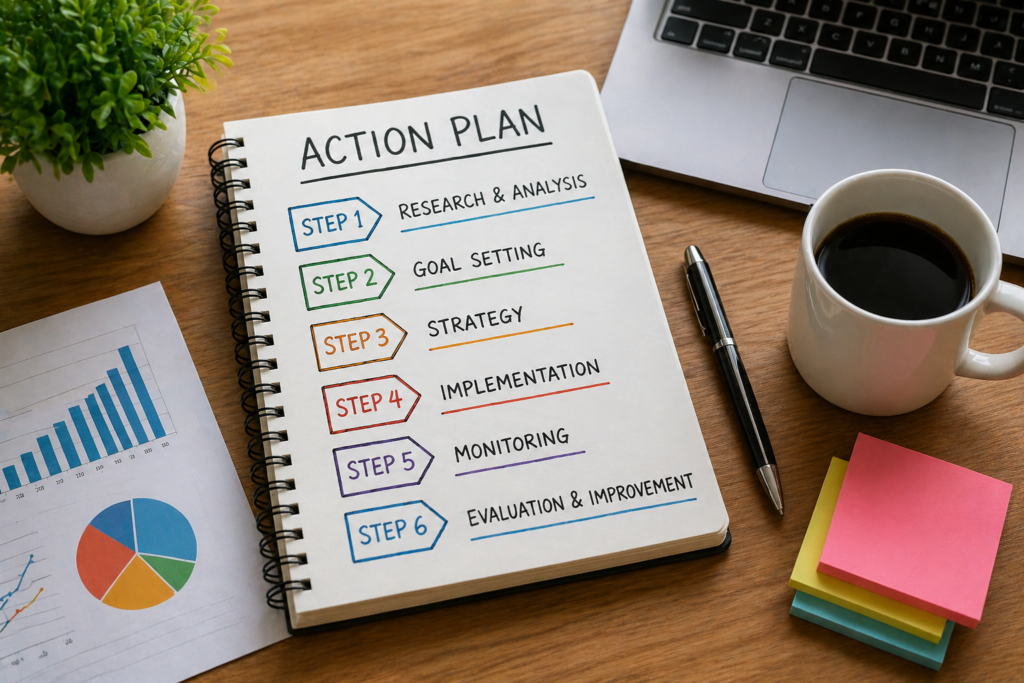
Action Plan: How to Implement SEO Successfully in 2026

Follow this step-by-step approach:

Step 1: Research & Strategy

  • Identify target audience
  • Perform keyword and intent analysis

Step 2: Content Creation

  • Build topical authority
  • Publish high-quality, user-focused content

Step 3: Technical Optimization

  • Improve speed, mobile usability, and indexing

Step 4: Authority Building

  • Earn high-quality backlinks

Step 5: Performance Tracking

  • Monitor and optimize continuously

Final Thoughts

SEO in 2026 is about trust, relevance, and user value. Businesses that avoid these mistakes and focus on delivering genuine value will dominate search results.

If you want to rank higher on Google and Bing, remember:

  • Write for humans, not just search engines
  • Focus on intent, not just keywords
  • Build authority, not just pages
  • Optimize experience, not just rankings

SEO is no longer a one-time task—it’s an ongoing process of improvement and adaptation.

Hire SEO Expert

What you can anticipate from SEO Services?

In today’s competitive digital environment, every business—small or large—needs consistent revenue and visibility. The real challenge is not whether digital promotion is required, but how to do it effectively. This is where SEO services play a crucial role in building a sustainable online presence and driving long-term growth.

The Best SEO Services affect a large target audience in various ways. The format and scope of digital marketing are much wider than you think. The most notable point with SEO is to determine your business outlook. Visitors need key points that solve their problems Share complex solution points affecting the business.

Search Engine Optimization (SEO) is one of the most reliable digital marketing strategies because it focuses on attracting users who are already searching for your products or services. Choosing the best SEO services helps businesses improve visibility, generate qualified leads, and stay competitive in search engine results.

Why Businesses Invest in SEO Services

Many businesses hesitate before hiring an SEO agency, often questioning whether the investment will deliver measurable results. When done correctly, SEO is not an expense—it is a long-term business asset.

A professional SEO company focuses on:

  • Understanding your business goals

  • Identifying customer search intent

  • Optimizing your website for relevant keywords

  • Improving user experience and technical performance

The goal is not just traffic, but traffic that converts.

Organic Growth Is the Core of SEO

A professional and Top SEO Company applies a business-oriented approach to SEO services that truly drive organic traffic and growth. But in the present scenario, it is a fact that every business sector is facing a major crisis. It is necessary to convert the audience to conversion. Then it will be called a successful investment.

One of the biggest advantages of SEO is organic growth. Unlike paid ads, organic traffic continues to deliver results over time. A top SEO company uses ethical, business-oriented strategies to improve rankings while maintaining long-term stability.

Organic SEO helps businesses:

  • Reach a larger and more relevant audience

  • Build trust with search engines and users

  • Reduce dependency on paid advertising

  • Achieve consistent growth even during uncertain market conditions

Especially during challenging times, businesses must focus on strategies that deliver sustainable results—and organic SEO does exactly that.

Best SEO Services

Turning Traffic into Conversions

Ranking on search engines is only part of the process. Effective SEO services focus on conversion optimization as well. This includes improving website structure, content clarity, page speed, and navigation so visitors can easily find what they are looking for.

For example:

  • Service-based businesses benefit from clear call-to-actions

  • eCommerce websites need fast loading pages and smooth navigation

  • Mobile optimization is essential for modern users

A well-optimized website ensures that visitors don’t just arrive—but take action.

Result-Driven SEO Services for Higher Rankings and Lead Generation

Professional SEO services are essential for businesses that want to improve visibility and generate consistent leads online. A reliable SEO company or experienced SEO agency focuses on strategic search engine optimization techniques such as keyword research, technical improvements, and content optimization to help websites rank higher on search engines. These services are designed not only to increase traffic but also to attract the right audience with high intent, ultimately turning visitors into customers. Whether you are targeting a broader audience or specific regions, local SEO services ensure your business appears in relevant searches, helping you connect with nearby customers actively looking for your products or services. According to industry insights, effective SEO strategies significantly boost organic traffic and lead generation when implemented correctly.

Affordable SEO Solutions to Grow Traffic and Maximize Conversions

For businesses operating online stores, ecommerce SEO services play a crucial role in optimizing product pages, improving site structure, and increasing conversions. Choosing affordable SEO services allows small and medium businesses to compete with larger brands without overspending, while still benefiting from expert-driven strategies. Working with an experienced SEO expert ensures continuous optimization, performance tracking, and adaptation to changing algorithms, which is vital for maintaining rankings over time. By investing in the right SEO approach, businesses can build long-term authority, drive qualified traffic, and create a steady pipeline of leads that contribute directly to revenue growth.

Grab an opportunity to transform

The Best SEO Services will increase your sales and although you have a narrow view. It is in the hands of SEO experts that the more keyword ranking they maintain; the more inquiries will be made. Then only businesses are running in the long run. It also includes plans to build a profitable business on a large scale. If you are running an eCommerce store, you may need to renovate the website on updated technology that makes engaging, easy navigation to the user that helps visitors navigate easily. For this, Expert Shopify developer guides well. You only need to create the right set of business plans.

Brand success

After the success of SEO, you are now a brand. Every competitor would like to come up. It is a sign of value for your business. This ensures that without digital marketing, it is almost impossible to make a brand. In the end, focused point is that hang on Trusted, best, and Affordable SEO Services. Give well-focused on the points before putting the finishing touches too.

SEO Services Help Scale Your Business

The best SEO services are designed to support long-term business expansion. As keyword rankings improve, businesses experience higher visibility, more inquiries, and increased brand recognition.

For eCommerce businesses, SEO may also involve:

  • Website restructuring
  • Platform optimization (such as Shopify SEO)
  • Improved user experience and product visibility

With the right SEO strategy, businesses can scale efficiently without constantly increasing advertising costs.

Building Brand Authority Through SEO

Once your website consistently ranks on search engines, your business naturally gains credibility. Higher visibility leads to stronger brand recognition, and competitors begin to notice your presence.

SEO helps establish your business as:

  • A trusted industry authority
  • A reliable solution provider
  • A recognizable brand in your niche

In today’s digital world, building a brand without SEO is extremely difficult.

Final Thoughts

Investing in trusted, affordable SEO services is one of the smartest decisions a business can make. The key is to work with an experienced SEO agency that focuses on transparency, strategy, and measurable outcomes.

Before choosing an SEO partner, ensure they:

  • Understand your business goals
  • Use ethical SEO practices
  • Focus on long-term growth, not shortcuts

When implemented correctly, SEO delivers visibility, credibility, and sustainable business success.

Hire SEO Expert
SEO Services India

How SEO Services in India Generate Real Leads (Step-by-Step Guide)

In today’s digital-first business landscape, simply having a website is not enough to stay competitive. Thousands of businesses across India invest heavily in websites, social media marketing, and paid advertising—yet still struggle to generate consistent leads, sales, and ROI. The reason is clear: their websites are not visible on Google when potential customers are actively searching.

Every day, people search Google for products, services, and solutions using high-intent keywords such as SEO services in India, SEO company in India, best SEO services India, and SEO services in Delhi to find trusted agencies that can help them grow online. If your business does not rank on the first page of Google for these searches, you are losing ready-to-convert leads and long-term revenue to competitors who have invested in professional SEO services in India.

Businesses across India—from startups to established enterprises—choose professional SEO services in India to build long-term online visibility and predictable lead generation. A results-driven SEO company in India focuses on ethical, data-backed strategies such as technical SEO, content optimization, and authority building to ensure sustainable Google rankings and measurable business growth.

This is where professional SEO services in India become a powerful growth engine—helping your business achieve higher Google rankings, targeted organic traffic, and consistent lead generation. With the right SEO company in India, you don’t just increase visibility; you attract ready-to-buy customers who are actively searching for your products or services.

Search Engine Optimization (SEO) is not just about ranking keywords—it’s about understanding user intent, earning search engine trust, and converting organic traffic into qualified leads and paying customers. When executed by an experienced SEO company in India, strategic SEO improves Google rankings, increases high-intent organic traffic, and delivers long-term ROI. As one of the most cost-effective digital marketing strategies, professional SEO services in India help businesses of all sizes achieve sustainable online visibility, lead generation, and sales growth.

This comprehensive guide explains:

  • Why most businesses fail at SEO
  • How professional SEO services actually work
  • The real problems SEO solves for businesses
  • A detailed breakdown of SEO services
  • Specialized SEO solutions for different business models
  • A proven, step-by-step SEO process
  • How to choose the right SEO company in India
  • Why IOGOOS Solution is trusted as a growth-focused SEO agency

Why Most Websites Fail to Generate Leads from Google

Over the years, we’ve analyzed hundreds of websites across industries. A common pattern emerges: most websites fail not because their services are poor, but because their SEO strategy is either outdated, incomplete, or nonexistent.

Common Problems Businesses Face

  • Website does not rank for commercial or buyer-intent keywords
  • Traffic comes from irrelevant or low-quality searches
  • Pages lack clarity, structure, and conversion elements
  • Poor technical health (slow speed, mobile issues, indexing problems)
  • Weak authority and backlink profile
  • Heavy dependence on paid ads for leads

The result? Low visibility, inconsistent inquiries, rising ad costs, and slow growth.

A professional SEO company India focuses on fixing these problems at the root level—creating long-term, scalable growth rather than short-term spikes.

Why SEO Is One of the Most Profitable Marketing Investments

Unlike paid advertising, SEO does not stop delivering results when your budget pauses. Once your website gains authority and rankings, it continues to attract high-intent users month after month. SEO Services in India That Deliver Real Leads, Higher Rankings & Sustainable Sales Growth

Key Benefits of SEO Services in India

  • Consistent organic traffic growth
  • Higher quality leads with stronger intent
  • Improved brand credibility and trust
  • Lower customer acquisition cost
  • Long-term sales pipeline without increasing ad spend

Businesses actively searching for seo services in delhi or seo services in india are already decision-ready. Ranking for these keywords allows your brand to meet customers at the exact moment they are looking to buy.

Detailed SEO Services Breakdown (Built for Business Growth)

A reliable SEO company in India does not offer generic “packages.” Instead, it delivers customized strategies aligned with your industry, competition, and business goals.

Below is a detailed breakdown of high-impact SEO services that drive real results.

1. Comprehensive SEO Audit & Website Analysis

professional SEO services in India

Every successful SEO campaign starts with clarity. Most websites have hidden technical and structural issues that block growth.

Common Issues Identified

  • Indexing and crawl errors
  • Slow page load speed
  • Duplicate or thin content
  • Poor internal linking
  • Weak mobile optimization

Problem: Website exists but does not perform
Solution: In-depth SEO audit covering technical, on-page, and competitive gaps
Outcome: Clear, actionable roadmap focused on rankings, traffic, and conversions

2. Strategic Keyword Research & Search Intent Mapping

trusted SEO company in India

Ranking for the wrong keywords is one of the biggest reasons SEO fails. Traffic alone does not generate revenue—buyer intent does.

Hire SEO Expert
SEO Services India

Professional SEO services India focus on keywords that convert, including:

Why Intent Matters

  • Informational keywords build awareness
  • Commercial keywords drive inquiries
  • Transactional keywords generate sales

Problem: Traffic without leads
Solution: Intent-based keyword research and mapping
Outcome: Higher conversion rates and qualified inquiries

3. On-Page SEO That Converts Visitors into Customers

best SEO services India

On-page SEO bridges the gap between rankings and revenue. It ensures your pages communicate value clearly—to both users and search engines.

Key On-Page Elements

  • SEO-optimized headlines and subheadings
  • Natural keyword placement
  • Clear service positioning
  • Strategic internal linking
  • Strong calls-to-action (CTAs)

Problem: Visitors leave without taking action
Solution: Conversion-focused on-page optimization
Outcome: Increased form submissions, calls, and sales

4. Technical SEO for Speed, Stability & Scalability

SEO Services India

Even the best content fails if your website cannot be crawled, indexed, or loaded efficiently.

Technical SEO Includes

  • Page speed and Core Web Vitals optimization
  • Mobile-first indexing readiness
  • HTTPS and security improvements
  • XML sitemap and robots.txt optimization
  • Structured data and schema markup

Problem: Rankings fluctuate or stagnate
Solution: Google-compliant technical SEO improvements
Outcome: Faster performance, better indexing, stable rankings

5. SEO Content Marketing That Builds Authority & Trust

Hire SEO Expert

Google rewards websites that demonstrate genuine expertise. Thin, generic, or AI-spun content fails to perform long-term.

High-Impact SEO Content Includes

  • In-depth blog articles
  • Service and solution pages
  • Industry insights and guides
  • Location-based landing pages

Problem: Content exists but doesn’t rank
Solution: Human-written, expert-driven SEO content
Outcome: Authority building, organic growth, improved trust

6. Ethical Link Building & Off-Page SEO

SEO services India

Backlinks remain one of Google’s strongest ranking signals—but only when built ethically.

A professional SEO company India focuses on:

  • High-authority backlinks
  • Industry-relevant placements
  • Brand mentions and citations
  • Digital PR and outreach

Problem: Low domain authority
Solution: White-hat, relevance-focused link building
Outcome: Stronger rankings and long-term credibility

Specialized SEO Services in India for Different Business Needs

Every business model requires a tailored SEO approach. The best SEO services India adapt strategy based on goals, scale, and competition.

Local SEO Services in India

local SEO services in India

Local customers search with immediate intent. If your business is not visible in local results, you lose ready-to-buy leads.

Local SEO Focus Areas

  • Google Business Profile optimization
  • Local citations and NAP consistency
  • Location-based keyword targeting
  • Reviews and reputation management

Outcome: Increased calls, visits, and local inquiries

Ecommerce SEO Services

ecommerce SEO services

Ecommerce businesses often struggle with product visibility, duplicate content, and low conversion rates.

Ecommerce SEO Solutions

  • Category and product page optimization
  • Product schema and structured data
  • Keyword mapping for buyer intent
  • Conversion-focused UX improvements

Outcome: Increased organic sales and reduced reliance on ads

Shopify SEO Services

Drive Targeted Traffic, Improve Rankings & Increase Conversions

Shopify SEO services are essential for businesses looking to grow visibility, attract qualified traffic, and increase sales through search engines. A well-optimized Shopify store goes beyond basic setup—it focuses on technical SEO, keyword optimization, site speed, mobile performance, and structured data. By targeting high-intent keywords like Shopify SEO services and Shopify store optimization, businesses can rank higher and reach customers actively searching for their products. With the right strategy, your store becomes easier to find, faster to load, and more effective at converting visitors into loyal buyers.

  • Keyword-focused product & category optimization
  • Technical SEO & site structure improvements
  • Speed optimization for better rankings
  • Mobile-first SEO implementation
  • Ongoing SEO monitoring & performance tracking

Enterprise SEO Solutions

SEO Services india

Large websites face complex challenges due to scale and competition.

Enterprise SEO Includes

  • Large-scale technical optimization
  • Advanced keyword and content management
  • Multi-location and international SEO
  • Data-driven performance analysis

Outcome: Sustainable growth across competitive markets

White Label SEO for Agencies

SEO Company India

Marketing agencies often want to expand services without increasing overhead.

White Label SEO Services

  • Confidential execution
  • Fully branded reports
  • Dedicated SEO specialists
  • Scalable delivery

Outcome: Increased agency revenue and client retention

Step-by-Step SEO Process That Delivers Results

A structured SEO process ensures consistency, transparency, and measurable growth.

Step 1: Business & Market Analysis

Understanding goals, competitors, and target audience

Step 2: SEO Audit & Strategy Creation

Identifying gaps and opportunities

Step 3: Keyword & Funnel Mapping

Aligning content with user intent

Step 4: On-Page & Technical Optimization

Fixing performance and relevance issues

Step 5: Content Creation & Publishing

Building authority and trust

Step 6: Link Building & Authority Growth

Strengthening online presence

Step 7: Monitoring, Reporting & Scaling

Continuous optimization for long-term success

Hire SEO Expert
SEO Services India

Why Google EEAT Matters More Than Ever

Google’s algorithm prioritizes Experience, Expertise, Authority, and Trust (EEAT)—especially for service-based businesses.

EEAT Signals That Impact Rankings

  • Demonstrated industry experience
  • Transparent business information
  • Consistent, high-quality content
  • Ethical SEO practices
  • Strong brand credibility

Websites that fail to demonstrate trust and expertise struggle to rank, no matter how aggressive their tactics are.

Why IOGOOS Solution Is a Trusted SEO Company in India

IOGOOS Solution is not just another SEO agency. It is a growth-focused SEO company in India that works as a strategic partner for businesses aiming for long-term success.

What Sets IOGOOS Solution Apart

  • Customized, business-first SEO strategies
  • Proven experience across industries
  • Strong focus on leads and conversions
  • Transparent reporting and communication
  • Ethical, Google-compliant practices

Whether you are targeting seo services delhi, seo services in delhi, or nationwide seo services in india, IOGOOS Solution builds strategies that generate measurable outcomes.


Real Results Businesses Can Expect from SEO

  • Higher keyword rankings
  • Increased qualified leads
  • Improved conversion rates
  • Stronger brand authority
  • Sustainable sales growth

SEO is not an expense—it is an investment that compounds over time.


Final Thoughts: Turn Your Website into a Sales Asset

If your website is not generating consistent leads, it is underperforming. With the right strategy and the right SEO company India, your website can become a powerful, predictable sales channel.

Partnering with IOGOOS Solution, a provider of best SEO services India, means investing in visibility, credibility, and long-term growth.

Now is the time to stop chasing traffic—and start converting it.

Below are some of the most common questions and answers related to SEO services that visitors often search for and ask.

What are SEO services and why are they important for businesses?

SEO services help improve a website’s visibility on search engines like Google by optimizing content, structure, and authority. Professional SEO services in India help businesses attract high-intent users, generate qualified leads, build brand credibility, and achieve long-term sales growth without depending heavily on paid ads.


How long does SEO take to show results?

SEO is a long-term strategy. Most businesses start seeing noticeable improvements within 3–4 months, while competitive keywords such as seo services delhi or seo company in india may take 6–9 months for strong rankings. The results, however, are sustainable and compound over time.


Why choose an SEO company in India instead of freelancers?

A professional SEO company in India offers structured processes, experienced specialists, advanced tools, and accountability. Unlike freelancers, an established agency ensures consistency, scalability, transparent reporting, and long-term strategy execution.


Are SEO services suitable for small businesses and startups?

Yes. SEO services are highly effective for startups and small businesses because they deliver long-term visibility at a lower cost compared to paid advertising. Local SEO services in India are especially powerful for small and location-based businesses.


What makes IOGOOS Solution different from other SEO agencies?

IOGOOS Solution focuses on revenue-driven SEO, not just rankings. The agency follows ethical SEO practices, customized strategies, transparent reporting, and a strong focus on leads, conversions, and business growth.


Do you offer Local SEO services in India?

Yes. IOGOOS Solution provides Local SEO services in India, including Google Business Profile optimization, local keyword targeting, citations, and review management to help businesses dominate local search results.


Can SEO help ecommerce websites increase sales?

Absolutely. Ecommerce SEO services focus on product and category optimization, buyer-intent keywords, and conversion-focused improvements that directly increase organic sales and reduce dependency on paid ads.


Is SEO better than paid advertising?

SEO and paid ads serve different purposes. Paid ads deliver instant traffic, while SEO builds long-term visibility and trust. Businesses using SEO services in India often experience lower acquisition costs and more consistent leads over time.

Hire SEO Expert
SEO Services India

How SEO Services Improve Results Over Time


A Long-Term Growth Strategy for Sustainable Business Success

Search Engine Optimization (SEO services) is not an overnight marketing tactic. Unlike paid advertising, where visibility stops the moment you pause the budget, SEO works as a long-term digital growth engine. When executed correctly, SEO services improve results over time by aligning your website with how search engines evaluate relevance, authority, trust, and user experience.

Businesses that invest in professional SEO services consistently see higher search visibility, improved organic traffic quality, stronger brand authority, and sustainable lead generation. This is why SEO remains one of the most cost-effective and scalable digital marketing strategies for businesses of all sizes.

SEO services improve results over time by aligning your website with how search engines evaluate relevance, trust, and user experience. As technical issues are fixed, content is optimized for real search queries, and authority grows through consistent signals, websites begin to rank for more keywords and attract higher-quality organic traffic. This steady improvement is why businesses that invest in long-term SEO services often see stronger visibility, better engagement, and more reliable lead generation month after month rather than temporary spikes.

Search Engine Optimization or SEO Services super essential for business. SEO Experts are especially professional in their job and provide the best to their and client website. The SEO Specialist works on various services to optimize websites. This is the reason why you need to hire top, trustworthy, and affordable SEO Services. Before finalizing for SEO Company for your business, must know that are they capable to assist in technical strategies. Go a thorough study about the SEO Company and make a question how they will help in business expansion. With the assistance of an SEO Expert, you can expect a higher ranking on Google for branding and generate organic reach potential.

In this guide, we’ll explain how SEO services deliver compounding results, why patience and consistency matter, and how choosing the right SEO company in India—such as IOGOOS Solution—can help your business grow month after month.

Understanding SEO Services and Why They Matter for Business Growth

SEO services involve a combination of technical optimization, content strategy, keyword targeting, and authority building to help websites rank higher on search engines like Google.

Search engines aim to deliver the most relevant and trustworthy results to users. SEO specialists work to ensure your website meets these expectations by:

  • Making your website technically sound

  • Creating content aligned with real user search intent

  • Improving user experience and engagement

  • Building authority through ethical (white-hat) SEO practices

Unlike short-term campaigns, SEO creates long-lasting digital assets that continue generating traffic and leads over time.

Why SEO Results Take Time (And Why That’s a Good Thing)

Many businesses ask, “Why does SEO take so long?”
The answer is simple: Google rewards consistency and trust, not shortcuts.

SEO Is a Trust-Building Process

Search engines evaluate websites based on signals such as:

  • Domain history and credibility

  • Content quality and freshness

  • User engagement metrics

  • Backlink authority

  • Technical performance

These signals strengthen gradually, not instantly. As your website improves across these areas, search engines gain confidence in ranking your pages higher.

This gradual growth is exactly what makes SEO stable, reliable, and scalable.

Phase-Wise Breakdown: How SEO Services Improve Results Over Time

Phase 1: Website Audit and Technical Foundation (Month 1–2)

A professional SEO company starts with a comprehensive website audit, identifying issues that block indexing or ranking.

Key activities include:

  • Crawl and indexability analysis

  • Fixing broken links and crawl errors

  • Improving site speed and Core Web Vitals

  • Mobile responsiveness optimization

  • URL structure and internal linking improvements

  • Schema markup implementation

At this stage, your website becomes search-engine friendly, laying the groundwork for future growth.

Phase 2: Keyword Research and Search Intent Optimization (Month 2–3)

SEO experts research high-value keywords based on:

  • Search volume

  • Competition level

  • User intent (informational, transactional, navigational)

  • Business relevance

Rather than chasing random keywords, top SEO services focus on keywords that attract qualified traffic—users who are genuinely interested in your services.

Examples include:

  • SEO services in India

  • Best SEO company India

  • Affordable SEO services for businesses

  • White label SEO for agencies

Targeting the right keywords ensures traffic quality improves, not just numbers.

Phase 3: Content Optimization and Topical Authority (Month 3–6)

Content is the backbone of SEO success.

Professional SEO specialists optimize:

  • Page titles and meta descriptions

  • Headings (H1–H6) for clarity and structure

  • Keyword placement and semantic relevance

  • Internal linking for topical depth

  • Content readability and user engagement

Instead of keyword stuffing, modern SEO focuses on answering user questions thoroughly. Over time, this builds topical authority, helping your site rank for multiple related keywords.

Phase 4: Authority Building and White-Hat Link Acquisition (Month 4–9)

Authority signals play a major role in long-term rankings.

A trustworthy SEO company uses white-hat SEO techniques, such as:

  • High-quality backlink acquisition

  • Brand mentions and citations

  • Guest posting on relevant industry websites

  • Local SEO optimization for geographic relevance

As your authority grows, Google begins ranking your website more consistently—often across multiple keywords at once.

Phase 5: Performance Tracking, Refinement, and Scaling (Ongoing)

SEO is never “done.”
Top SEO services continuously analyze:

  • Keyword rankings

  • Organic traffic trends

  • Conversion rates

  • User behavior and engagement

  • Competitor movements

This data is used to refine strategies, scale winning content, and adjust campaigns to changing search trends.

Benefits of Long-Term SEO Services for Your Business

1. Sustainable Organic Traffic Growth

SEO builds traffic that doesn’t disappear when budgets stop.

2. Higher Lead Quality

Users searching organically have strong intent, leading to better conversions.

3. Improved Brand Visibility and Trust

Top rankings increase credibility and brand recognition.

4. Cost-Effective Marketing

SEO delivers higher ROI compared to paid ads over time.

5. Strong Competitive Advantage

Businesses investing in SEO early gain long-term dominance in their niche.

Why Hiring the Right SEO Company Is Critical

Not all SEO services deliver results. Choosing the wrong provider can lead to:

  • Poor indexing

  • Google penalties

  • Wasted time and budget

  • No measurable ROI

Before hiring an SEO company, ask:

  • Do they follow white-hat SEO practices?

  • Can they explain their technical SEO approach clearly?

  • Do they provide transparent reporting and measurable KPIs?

  • Do they focus on long-term growth, not shortcuts?

A reliable SEO partner acts as a strategic growth consultant, not just a service provider.

Why Businesses Choose IOGOOS Solution for SEO Services

IOGOOS Solution is a trusted SEO company in India delivering result-driven, ethical, and scalable SEO services for businesses worldwide.

What Sets IOGOOS Apart?

  • 100% White-Hat SEO Techniques

  • In-depth Technical SEO Expertise

  • Data-Driven Keyword & Content Strategy

  • Transparent Reporting & Measurable Results

  • Customized SEO Solutions for Every Industry

Our SEO Services Include:

  • Complete Website SEO Audit

  • On-Page and Technical SEO Optimization

  • High-Quality Content Strategy

  • Keyword Research & Mapping

  • Local SEO and Global SEO Campaigns

  • White Label SEO for Agencies

We don’t chase rankings alone—we focus on traffic quality, lead generation, and business growth.

How IOGOOS SEO Services Drive Real Business Results

Our SEO experts work with a clear objective:

✔ Improve search visibility
✔ Increase organic traffic
✔ Generate qualified leads
✔ Strengthen brand authority
✔ Deliver consistent ROI

Through continuous optimization and strategic execution, we help businesses expand market share and outperform competitors. Our SEO services in India are designed to generate real leads, not just rankings, by attracting high-intent traffic that converts into paying customers. Using data-driven strategies, in-depth keyword research, and conversion-focused optimization, we ensure measurable growth, stronger online visibility, and long-term ROI for businesses across industries.

Final Thoughts: SEO Is a Long-Term Investment That Pays Off

SEO services are not about quick wins—they are about building a digital foundation that grows stronger over time. When done correctly, SEO delivers:

  • Stable rankings

  • Consistent organic leads

  • Improved brand trust

  • Sustainable business growth

If your blog or website isn’t indexing or ranking yet, it’s not a failure—it’s a signal that structure, depth, and strategy need refinement.

With expert SEO services from IOGOOS Solution, your website can move from invisibility to authority—step by step, month by month.

Struggling to Choose the Right SEO Company for Your Business?

SEO services vary from business to business, and choosing the right strategy can make all the difference. At IOGOOS, our team of SEO experts follows complete white-hat SEO practices to help you achieve sustainable business growth. Search Engine Optimization is essential for every industry, as it helps businesses reach potential customers at the right time.

Our SEO services focus on identifying high-quality, intent-driven keywords that bring your website to the top of search engine results. We don’t just drive traffic—we help you generate quality, organic leads that convert. With carefully planned SEO campaigns, we increase website visibility, boost traffic, and improve overall performance.

At IOGOOS Solution, we help you manage your SEO campaigns more efficiently and effectively, giving your business a competitive edge. Our proven approach shows how SEO services in India generate real leads, helping you expand your market share and grow consistently in a competitive digital landscape.

SEO Services

IOGOOS can expand your online advertising and marketing wishes and assist you to attain your ability customers and commercial enterprise targets. search engine optimization approach SEO facilitates to development of your business everywhere in the world. Additionally, they enhance your website rating and organic site visitors. the best ranking of your web page on any search engine website can assure you excessive conversion rates. Your goal marketplace turns into more aware about you so long as you hold your apex role.

IOGOOS consists of an entire internet site audit report, content material survey, consisting of title tags, Meta description, content evaluation, heading tags, and extra. Because content material is a giant part of SEO – keywords density and their prominence with content placement also are optimized for optimum effects.

From an SEO point of view, WordPress provides a Yoast plugin that helps a lot in optimizing SEO factors. IOGOOS Solution is the leading WordPress Development Services Company that has a complete CMS solution. We help to make the best experience for you with complete support from the initial stage to the end.

Enquiry Now

When We Work Together

We can create something incredible

arrow
HQ INDIA
HQ INDIA
C-31, Milap Nagar,
Uttam Nagar, New Delhi,
Delhi 110059
USA
USA
6715 Backlick Rd Suite 202
Springfield,
VA 22150, USA
AUSTRALIA
AUSTRALIA
2/51, Lane Cres,
Reservoir, VIC
3037, Australia
CANADA
CANADA
61 Payzant Bog Road, Falmouth, NS, B0P 1P0, CANADA
UK
UK
3rd Floor, 131 City Road, London, EC1V 2NX, United Kingdom
UAE
UAE
Boutik Mall, Al Reem Island - Abu Dhabi, UAE
X

Let Us Call You Back

  • India+91
  • United States+1
  • United Arab Emirates+971

Your phone number is kept confidential
and not shared with others.